Categories
Health & Wellness Hearing Devices

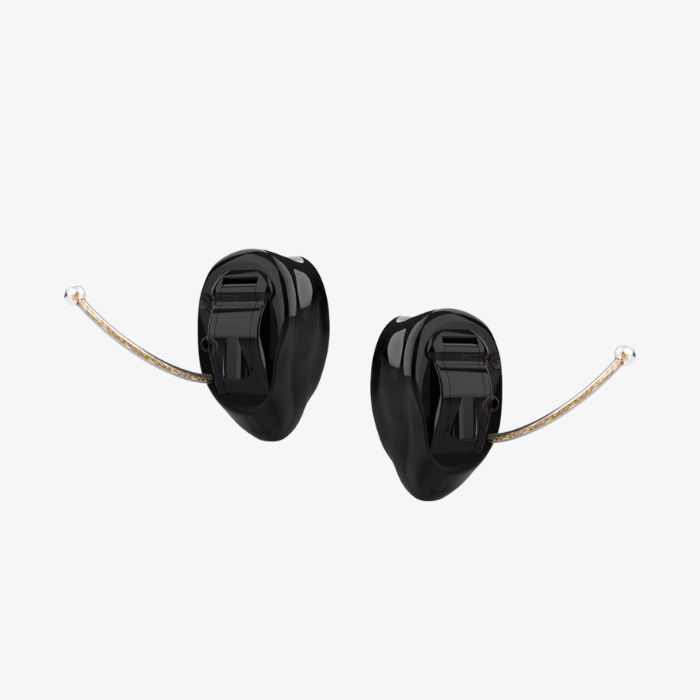
Rexton inoX CIC Hearing Aids

Last Updated on 12th May 2026 by Dane Lozano

The Rexton inoX CIC is a discreet Completely-in-Canal (CIC) hearing aid designed to provide natural sound quality, essential speech clarity, and comfortable all-day wear in a nearly invisible design. Sitting deep inside the ear canal, the inoX delivers simple, reliable hearing support without the bulk of behind-the-ear devices.

The inoX range is available in multiple technology levels, allowing users to choose the level of speech enhancement, noise reduction, and sound processing that best matches their lifestyle and listening needs.


Available Technology Levels:

inoX 80 (Premium)
inoX 60 (Advanced)
inoX 40 (Mid-Level)
inoX 30 (Lower Mid-Level)
inoX 20 (Essential)


What Is the Rexton inoX CIC?

The Rexton inoX CIC is a Completely-in-Canal hearing aid designed for users who want a discreet and simple hearing solution with natural sound quality and comfortable instant-fit wear.

Built using Rexton’s traditional sound processing technology, inoX focuses on:

  • Speech clarity in everyday conversations
  • Background noise reduction in moderate environments
  • Simple, reliable hearing performance
  • Comfortable nearly invisible design
  • Easy instant-fit use without custom moulds

The hearing aids are suitable for users with mild to moderate hearing loss and are designed for quieter to moderately social lifestyles.


Rexton inoX Technology Levels Explained

inoX 80 (Premium Tier)

Premium performance with maximum speech enhancement and advanced noise reduction for busy social environments. Click here to order!

The inoX 80 is designed for users who need the strongest possible performance in the inoX range. It delivers the best speech clarity in noise, strongest directional processing, and most advanced automatic sound adjustments available in this platform.

Best For:

  • Busy social environments
  • Restaurants and group conversations
  • Noisy public places
  • Users wanting maximum performance in a CIC design

inoX 60 (Advanced Tier)

High-performance hearing support with strong speech clarity and reliable noise reduction for active daily use. Click here to order!

The inoX 60 offers excellent everyday performance with improved speech understanding in noise compared to lower tiers, making it ideal for users with regular social interaction.

Best For:

  • Regular social environments
  • Moderate noise situations
  • Active everyday listening
  • Balanced premium performance

inoX 40 (Mid-Level Tier)

Balanced hearing performance for everyday use with good speech clarity and moderate noise reduction. Click here to order!

The inoX 40 focuses on natural sound quality and reliable daily hearing support for general environments.

Best For:

  • Home and workplace listening
  • Casual social environments
  • Everyday conversations
  • Balanced performance and comfort

inoX 30 (Lower Mid-Level Tier)

Reliable mid-entry performance with essential speech enhancement and stable sound processing. Click here to order!

The inoX 30 provides solid basic hearing support for users who mainly experience quieter or moderately active environments.

Best For:

  • Quiet to moderate environments
  • Home conversations
  • Light social use
  • Value-focused users

inoX 20 (Essential Tier)

Basic hearing support designed for quiet lifestyles and simple listening environments. Click here to order!

The inoX 20 is the most basic level in the inoX range, focusing on essential speech understanding in low-noise environments.

Best For:

  • Quiet lifestyles
  • One-to-one conversations
  • Minimal social environments
  • Entry-level hearing support

Key Features of Rexton inoX CIC

  • Ultra-discreet CIC design
  • Instant-fit soft sleeve comfort
  • Natural speech enhancement
  • Background noise reduction
  • Multiple technology levels available
  • Lightweight all-day wear

Rexton inoX Technology Comparison Table

Feature inoX 80 inoX 60 inoX 40 inoX 30 inoX 20
Technology Level Premium Advanced Mid-Level Lower Mid-Level Essential
Speech in Noise Excellent Very good Good Fair-good Basic
Noise Reduction Maximum Strong Moderate Moderate Low
Automatic Adjustments Most advanced Advanced Moderate Basic Minimal
Group Conversation Performance Excellent Very good Good Basic-good Basic
Directional Processing Premium Advanced Standard Basic Basic
Environmental Adaptation Strong Strong Moderate Basic Basic
Best For Busy social users Active users Everyday use Quiet-moderate use Quiet lifestyles

Benefits of Rexton inoX CIC Hearing Aids

Clearer everyday conversations with natural sound quality
Reduced background noise in moderate environments
Nearly invisible in-the-ear design
Comfortable instant-fit wearing experience
Flexible technology levels for different budgets
Simple and easy-to-use hearing solution


Who Is the Rexton inoX Best For?

The Rexton inoX CIC may be ideal for:

  • Users wanting invisible hearing aids
  • Mild to moderate hearing loss
  • Quiet to moderately noisy environments
  • First-time hearing aid users
  • People preferring simple hearing technology

Rexton inoX Summary

The Rexton inoX CIC is a discreet hearing aid range designed for users who want simple, comfortable, and nearly invisible hearing support. With technology levels from 20 to 80, it offers flexible performance options ranging from essential everyday hearing to advanced speech enhancement in noisier environments.

While it is an older-generation platform compared to modern Rexton Reach hearing aids, it remains a reliable choice for users prioritising discreet design and straightforward functionality.

Categories
Hearing Devices Science & Technology

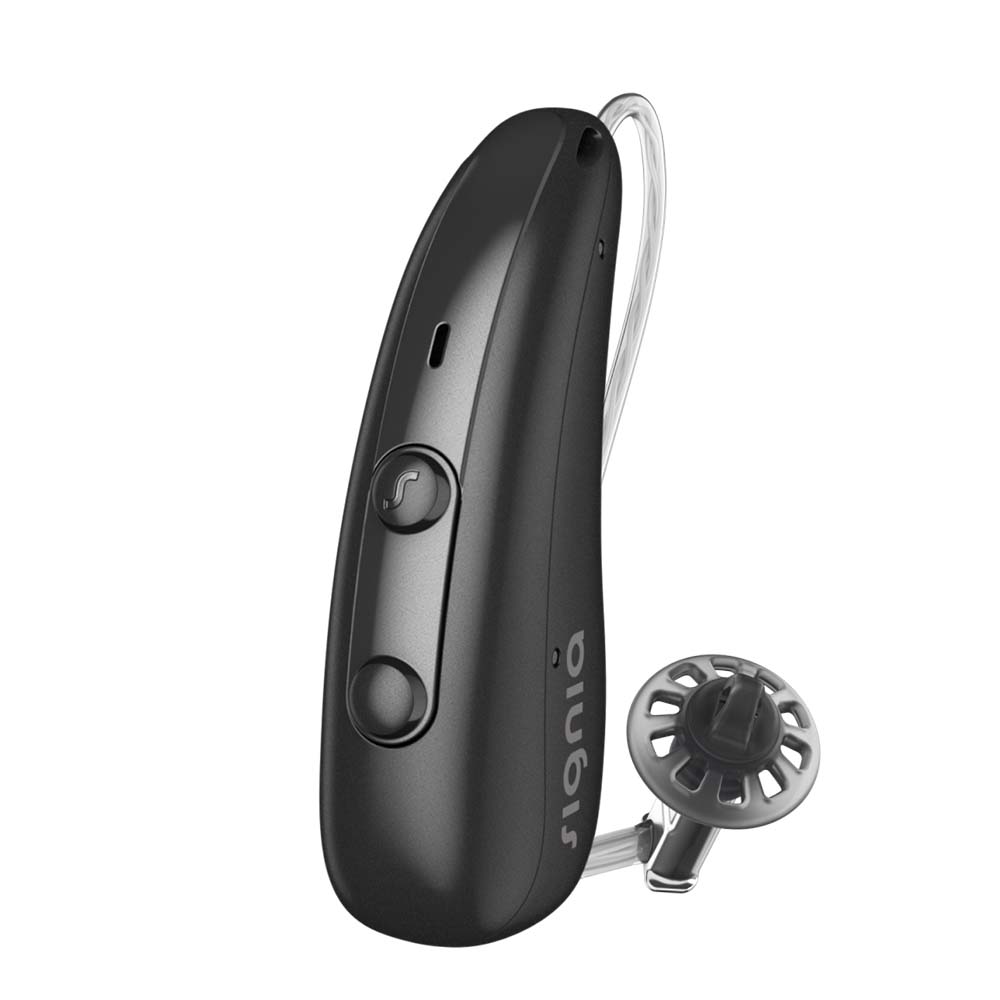
Signia Silk Charge&Go IX CIC

Last Updated on 11th May 2026 by Dane Lozano

The Signia Silk Charge&Go IX is one of Signia’s most discreet rechargeable hearing aids, designed to provide advanced speech enhancement and comfortable instant-fit wear in a near-invisible CIC style. Built on Signia’s Integrated Xperience (IX) platform, Silk Charge&Go IX uses RealTime Conversation Enhancement technology to improve speech understanding during conversations while reducing background distractions.

Unlike many custom CIC hearing aids, the Silk Charge&Go IX uses soft instant-fit sleeves, allowing many users to begin wearing the devices immediately without waiting for custom earmould production.

Price: Typically from approximately 1,795.00 per aid depending on technology level, fitting package, and accessories.


What Is the Signia Silk Charge&Go IX?

The Signia Silk Charge&Go IX is a rechargeable completely-in-canal (CIC) hearing aid designed for users who want discreet hearing support with modern AI-powered sound processing.

Powered by Signia’s Integrated Xperience platform, Silk Charge&Go IX continuously analyses conversations and surrounding sounds in real time to help improve speech understanding in noisy environments.

The Silk IX is designed for users who prioritise:

  • Near-invisible hearing aids
  • Rechargeable convenience
  • Comfortable instant-fit wear
  • Speech clarity in conversations
  • Discreet everyday hearing support

Key Features of Signia Silk Charge&Go IX

RealTime Conversation Enhancement

The IX platform continuously tracks speech during conversations and adjusts sound processing in real time to improve clarity in noisy environments.

Near-Invisible CIC Design

The Silk Charge&Go IX sits deep inside the ear canal, making it one of the most discreet rechargeable hearing aids currently available.

Instant-Fit Soft Sleeves

Unlike many custom CIC hearing aids, Silk IX uses soft silicone sleeves for quick fitting without requiring ear impressions or custom shells.

Rechargeable Battery System

The portable charging case supports all-day battery performance and provides additional charging while travelling.

Signia Assistant AI Support

The AI-powered Signia Assistant helps personalise hearing settings and optimise listening performance over time.

Smartphone App Compatibility

Users can adjust settings, personalise listening programs, and manage hearing aid controls using the Signia app.

Comfortable Everyday Wear

The lightweight CIC design and soft sleeves help improve comfort and stability during long-term daily use.

Discreet Matte Finish

Signia designed the Silk IX with matte colour finishes to reduce visibility and reflections for a more discreet appearance.


Benefits of Signia Silk Charge&Go IX Hearing Aids

Nearly Invisible Appearance

Many users choose Silk IX because the CIC design remains extremely discreet while still offering modern rechargeable technology.

Better Speech Clarity in Noise

RealTime Conversation Enhancement helps users follow conversations more naturally in restaurants, cafés, meetings, and social gatherings.

Easy Instant Fitting

The instant-fit sleeves allow faster fittings compared to fully custom hearing aids.

Reduced Listening Fatigue

Automatic sound optimisation helps reduce strain during longer conversations and busy listening situations.

Rechargeable Convenience

The portable charging case removes the need for disposable batteries while supporting reliable all-day use.

Comfortable Daily Wear

The lightweight design supports comfortable wear for many users throughout the day.


Real User Feedback

Some users praise the Signia Silk Charge&Go IX for its discreet design and improved comfort compared to traditional behind-the-ear hearing aids. Others report strong speech clarity performance in social environments and appreciate the convenience of rechargeability.

A few users note that the Silk IX does not currently include full Bluetooth media streaming due to the compact CIC size, although app connectivity is supported.

Some reviewers also mention that professional fine-tuning helps maximise speech clarity performance in noisy environments.


Who Is the Signia Silk Charge&Go IX Best For?

The Signia Silk Charge&Go IX may be ideal for:

  • Users wanting near-invisible hearing aids
  • Adults preferring CIC hearing aid designs
  • People wanting rechargeable hearing aids without custom earmoulds
  • Users struggling with speech clarity in moderate noisy environments
  • Individuals prioritising discreet appearance and comfort

Signia Silk Charge&Go IX Summary

The Signia Silk Charge&Go IX combines discreet CIC styling, rechargeable convenience, and advanced AI-powered speech enhancement in one of Signia’s smallest hearing aid designs. Powered by the Integrated Xperience platform, it helps users enjoy clearer conversations and comfortable everyday hearing support while maintaining a near-invisible appearance.

Categories
Health & Wellness Hearing Devices

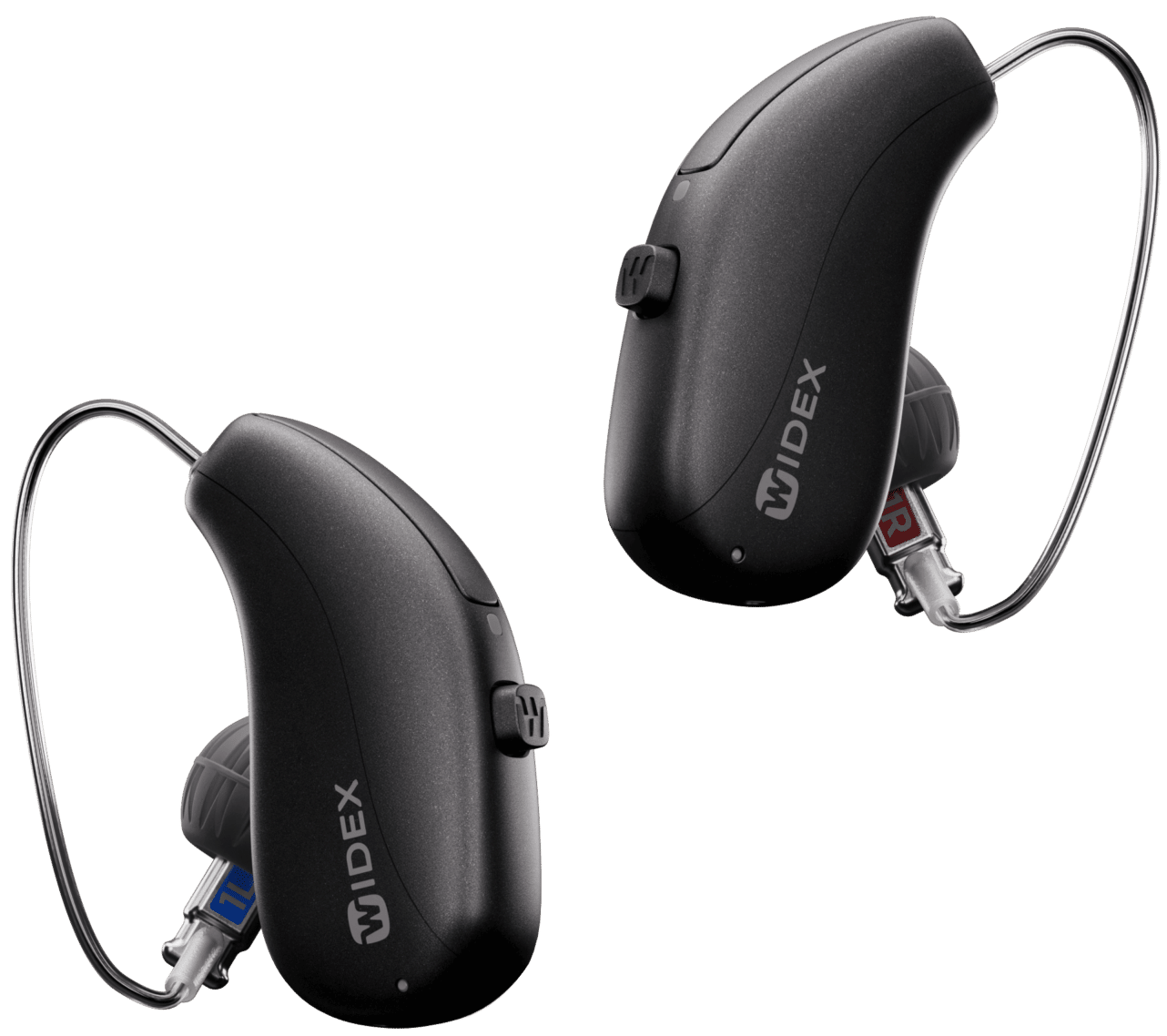
Rexton Reach R-Li Hearing Aids

Last Updated on 12th May 2026 by Dane Lozano

The Rexton Reach R-Li is a premium rechargeable receiver-in-canal (RIC) hearing aid designed to provide clearer speech understanding, intelligent noise management, and reliable all-day hearing support. Powered by Rexton’s latest Reach platform, the Reach R-Li combines AI-assisted sound processing, Bluetooth streaming, rechargeable convenience, and durable everyday performance in a discreet modern RIC design.

The Reach R-Li is available in multiple technology levels, allowing users to choose the level of speech enhancement, automatic sound adaptation, and noise reduction that best matches their lifestyle and listening needs.

Available Technology Levels:

  • Reach 80 (Premium)
  • Reach 60 (Advanced)
  • Reach 40 (Mid-Level)
  • Reach 30 (Basic)
  • Reach 20 (Essential)

What Is the Rexton Reach R-Li?

The Rexton Reach R-Li is a rechargeable receiver-in-canal hearing aid designed for users wanting strong everyday hearing performance with modern wireless connectivity and intelligent speech enhancement.

Built using technology closely related to the Signia IX platform, Reach R-Li focuses heavily on:

  • Speech clarity in noise
  • Group conversation performance
  • Reliable battery life
  • Bluetooth streaming
  • Everyday durability

The hearing aids are suitable for users with mild to severe hearing loss and are designed for both quiet and active lifestyles.


Rexton Reach Technology Levels Explained

Reach 80 (Premium Tier)

The most advanced Reach model with maximum speech enhancement, strongest noise reduction, and the highest level of automatic environmental adaptation. Click here to order!

The Reach 80 is designed for users who regularly spend time in challenging listening environments such as restaurants, social gatherings, meetings, public spaces, and busy family events. It offers the strongest speech-in-noise performance, fastest automatic adjustments, and most refined directional microphone processing in the Reach lineup.

Best For:

  • Busy active lifestyles
  • Frequent group conversations
  • Restaurants and noisy social settings
  • Users wanting maximum hearing performance

Reach 60 (Advanced Tier)

A high-performance model offering excellent speech clarity, advanced noise management, and strong everyday hearing support. Click here to order!

The Reach 60 delivers many premium features found in the Reach 80 while offering slightly reduced environmental automation and speech tracking performance. It is ideal for users who spend regular time in social settings but may not require the absolute highest level of processing.

Best For:

  • Regular social environments
  • Moderate noisy situations
  • Users wanting premium features at better value

Reach 40 (Mid-Level Tier)

A balanced hearing aid designed for reliable everyday speech clarity, natural sound quality, and moderate noise reduction. Click here to order!

The Reach 40 focuses on everyday listening situations such as home conversations, shopping, television viewing, and casual social activities. It offers solid speech enhancement and automatic adjustments while remaining more affordable than higher technology tiers.

Best For:

  • Everyday moderate listening environments
  • Home and family conversations
  • Occasional noisy settings
  • Users wanting balanced performance and value

Reach 20 (Essential Tier)

The entry-level Reach model designed for quieter lifestyles and essential hearing support. Click here to order!

The Reach 20 provides basic AI-assisted hearing support and speech clarity for users who spend most of their time in quieter environments. It offers dependable everyday hearing assistance while remaining the most affordable model in the Reach lineup.

Best For:

  • Quiet lifestyles
  • First-time hearing aid users
  • Home environments
  • Budget-conscious users

Key Features of Rexton Reach R-Li

Rechargeable Lithium-Ion Battery

The rechargeable battery system provides reliable all-day hearing support without disposable batteries.

Bluetooth Streaming

Users can stream:

  • Phone calls
  • Music
  • Television audio
  • Podcasts
  • Media

directly from compatible smartphones and devices.

Speech Preservation Technology

Rexton’s advanced processing system helps improve speech clarity while reducing distracting background sounds.

AI-Assisted Sound Processing

The Reach platform automatically adjusts hearing settings based on changing environments and conversations.

Directional Microphone System

The hearing aids help focus on speech while reducing environmental distractions in noisy situations.

Smartphone App Compatibility

Users can adjust settings, personalise listening programs, and manage streaming through the Rexton app.

Durable Everyday Design

Rexton hearing aids are designed for dependable daily wear with strong reliability and comfortable fit.


Rexton Reach R-Li Technology Comparison Table

Feature Reach 80 Reach 60 Reach 40 Reach 30 Reach 20
Technology Level Premium Advanced Mid-Level Basic Essential
Speech in Noise Excellent Very good Good Good Basic–good
Noise Reduction Maximum Strong Moderate Balanced Basic
Automatic Adjustments Most advanced Advanced Moderate Moderate-basic Basic
Group Conversation Performance Excellent Very good Good Moderate-good Moderate
Directional Processing Premium Advanced Standard Balanced Basic
Environmental Adaptation Most refined Strong Moderate Balanced Basic
Streaming Features Full Full Full Full Full
Best For Active social users Regular social users Everyday use Moderate everyday environments Quiet lifestyles

Benefits of Rexton Reach R-Li Hearing Aids

Clearer Conversations

The Reach platform helps users hear speech more naturally in both quiet and noisy environments.

Reduced Listening Effort

Automatic sound optimisation helps reduce fatigue during long conversations and busy listening situations.

Reliable Rechargeable Convenience

The rechargeable battery system eliminates the need for disposable batteries.

Strong Connectivity Features

Bluetooth streaming allows seamless connection to phones, media devices, and televisions.

Comfortable Everyday Wear

The RIC design offers a balance of discreet appearance, comfort, and strong hearing performance.

Flexible Technology Choices

Users can choose the technology level that best fits their lifestyle and hearing needs.


Who Is the Rexton Reach R-Li Best For?

The Rexton Reach R-Li may be ideal for:

  • Adults wanting rechargeable Bluetooth hearing aids
  • Users struggling with speech clarity in noise
  • People wanting strong everyday hearing support
  • Users wanting flexible technology and pricing options
  • Individuals seeking premium performance with strong value

Rexton Reach R-Li Summary

The Rexton Reach R-Li combines rechargeable convenience, Bluetooth streaming, AI-assisted sound processing, and intelligent speech enhancement in a modern receiver-in-canal hearing aid design. With four technology levels available, users can choose the level of performance that best matches their lifestyle, listening environments, and budget while enjoying reliable everyday hearing support.

Categories
Hearing Devices Science & Technology

Signia Pure Charge&Go BCT IX BTE

Last Updated on 11th May 2026 by Dane Lozano

The Signia Pure Charge&Go BCT IX is a premium rechargeable receiver-in-canal (RIC) hearing aid designed to provide advanced speech enhancement, universal Bluetooth connectivity, and intelligent hearing support in everyday listening environments. Built on Signia’s Integrated Xperience (IX) platform, Pure Charge&Go BCT IX combines RealTime Conversation Enhancement technology, Bluetooth Classic streaming, and AI-powered sound processing to help users enjoy clearer conversations and seamless connectivity across multiple devices.

Unlike many hearing aids that rely on limited Bluetooth protocols, the Pure Charge&Go BCT IX supports Bluetooth Classic connectivity, allowing direct pairing with a wider range of smartphones, tablets, laptops, and other Bluetooth-enabled devices.

Price: From approximately 1,995.00 per aid depending on technology level, fitting package, and accessories.


What Is the Signia Pure Charge&Go BCT IX?

The Signia Pure Charge&Go BCT IX is a rechargeable RIC hearing aid designed for users who want premium speech understanding and broad Bluetooth compatibility in a discreet modern hearing aid.

Powered by Signia’s Integrated Xperience platform, the hearing aids continuously analyse conversations and environmental sounds in real time to improve speech clarity while reducing listening effort.

The “BCT” stands for Bluetooth Classic Technology, allowing the hearing aids to connect directly to many devices without relying solely on newer Bluetooth LE protocols.

This makes Pure Charge&Go BCT IX particularly attractive for users wanting easier streaming compatibility across:

  • Android devices
  • iPhones
  • Tablets
  • PCs and laptops
  • TVs and media devices

Key Features of Signia Pure Charge&Go BCT IX

RealTime Conversation Enhancement

The IX platform continuously tracks multiple speakers and adjusts hearing support in real time to improve speech understanding during conversations.

Bluetooth Classic Connectivity

Pure Charge&Go BCT IX supports direct Bluetooth Classic streaming for broad compatibility with many Bluetooth-enabled devices.

Premium Speech Clarity in Noise

Advanced AI sound processing helps separate speech from background distractions in busy environments such as restaurants and meetings.

Rechargeable Battery System

The built-in rechargeable battery provides reliable all-day performance without disposable batteries.

Receiver-in-Canal (RIC) Design

The discreet RIC design balances cosmetic appearance, comfort, and strong sound quality.

Signia Assistant AI Support

The AI-powered Signia Assistant helps personalise hearing settings and optimise sound performance over time.

Own Voice Processing

Own Voice Processing technology helps the wearer’s voice sound more natural and comfortable during conversations.

Smartphone App Compatibility

Users can adjust volume, personalise settings, manage streaming, and access support features through the Signia app.


Benefits of Signia Pure Charge&Go BCT IX Hearing Aids

Wider Bluetooth Compatibility

Bluetooth Classic support allows easier direct streaming with a broader range of devices compared to some standard hearing aid Bluetooth systems.

Better Group Conversation Performance

RealTime Conversation Enhancement improves speech clarity during social gatherings, meetings, and noisy public environments.

Reduced Listening Fatigue

Automatic AI-driven sound adjustments help reduce mental effort during extended conversations.

Seamless Streaming Experience

Users can enjoy direct streaming for calls, music, podcasts, television audio, and media content.

Comfortable Everyday Wear

The lightweight RIC design supports discreet comfortable wear throughout the day.

Rechargeable Convenience

The rechargeable system eliminates disposable batteries while providing dependable daily performance.


Real User Feedback

Many users praise the Pure Charge&Go BCT IX for its strong Bluetooth compatibility and reliable streaming performance across multiple devices. Some users report that the hearing aids pair more easily with laptops and older Bluetooth devices compared to some competing hearing aid models.

Users also often highlight the speech clarity improvements in social environments and appreciate the balance between discreet styling and strong technology features.

Some users note that premium IX technology performs best when professionally fine-tuned to individual hearing needs.


Who Is the Signia Pure Charge&Go BCT IX Best For?

The Signia Pure Charge&Go BCT IX may be ideal for:

  • Users wanting universal Bluetooth streaming compatibility
  • Adults with active social or professional lifestyles
  • People struggling with speech clarity in noisy environments
  • Users wanting rechargeable premium hearing aids
  • Individuals prioritising streaming and connectivity features

Signia Pure Charge&Go BCT IX Summary

The Signia Pure Charge&Go BCT IX combines advanced speech enhancement, AI-powered conversation tracking, rechargeable convenience, and Bluetooth Classic connectivity in a discreet receiver-in-canal hearing aid design. Powered by Signia’s Integrated Xperience platform, it delivers clearer conversations, strong wireless compatibility, and modern streaming support for users wanting premium connected hearing technology.

Categories
Hearing Devices Science & Technology

Starkey Omega AI 20 CIC

Last Updated on 7th May 2026 by Dane Lozano

The Starkey Omega AI 20 CIC is designed for people who want advanced hearing technology in a discreet and comfortable custom-fit hearing aid. This Completely-In-Canal (CIC) model combines intelligent sound processing, background noise reduction, and clear speech enhancement in a nearly invisible design that fits comfortably inside the ear canal.

What Is the Starkey Omega AI 20 CIC?

The Starkey Omega AI 20 CIC is a custom-made hearing aid powered by Starkey’s Omega AI platform. Designed to improve hearing clarity in everyday environments, it automatically adjusts to changing sound conditions using artificial intelligence technology.

Its compact CIC design makes it an ideal choice for users looking for a discreet hearing solution without sacrificing performance.

Key Features of Starkey Omega AI 20 CIC

Advanced AI Sound Processing

The Omega AI 20 CIC continuously analyses your surroundings and adjusts sound settings automatically to improve speech understanding while reducing background distractions.

Speech Enhancement Technology

The hearing aid helps focus on conversations in noisy places such as restaurants, shops, family gatherings, and busy public areas.

Background Noise Reduction

Starkey’s intelligent processing system reduces unwanted environmental sounds to make listening more comfortable throughout the day.

Discreet Completely-In-Canal Design

The CIC style fits deep inside the ear canal, making the hearing aid difficult to notice while still providing excellent sound quality.

Custom-Fit Comfort

Each device is individually moulded to the shape of the wearer’s ears for improved comfort, stability, and sound performance.

Smartphone App Compatibility

Users can control settings, adjust volume, change listening programs, and access remote support through the My Starkey app.

Edge Mode+ Technology

Edge Mode+ provides additional sound optimisation in difficult listening situations to help users hear conversations more clearly when background noise increases.

Reliable Everyday Performance

The Omega AI 20 CIC offers strong performance for daily listening situations while balancing advanced features with affordability compared to higher technology tiers.

Benefits of Starkey Omega AI 20 CIC Hearing Aids

Clearer Conversations

The AI-powered processing helps users hear speech more naturally in both quiet and noisy environments.

Reduced Listening Effort

By automatically managing background noise, the hearing aid helps reduce listening fatigue during long conversations or busy days.

Nearly Invisible Appearance

Many users choose CIC hearing aids because they offer one of the most discreet hearing aid styles available.

Comfortable All-Day Wear

The custom-fit design allows the hearing aids to sit comfortably inside the ear canal for extended daily use.

Improved Confidence in Social Settings

Better hearing clarity can help users feel more confident during conversations, meetings, and social events.

Easy Personalisation

Through the My Starkey app, wearers can quickly personalise their listening experience without needing frequent in-office adjustments.

Who Is the Starkey Omega AI 20 CIC Best For?

The Starkey Omega AI 20 CIC may be suitable for:

  • Adults wanting discreet hearing aids
  • People with mild to severe hearing loss
  • Users who struggle with speech clarity in noise
  • Wearers seeking advanced AI hearing technology
  • Individuals wanting custom-fit hearing aids with smartphone controls

Starkey Omega AI 20 CIC Summary

The Starkey Omega AI 20 CIC combines discreet styling, intelligent sound processing, and custom comfort in a compact hearing aid solution. With AI-powered speech enhancement, background noise reduction, and smartphone compatibility, it offers a strong balance of performance and convenience for everyday hearing needs.

Categories
Hearing Devices Science & Technology

Starkey Omega AI 24 CIC

Last Updated on 7th May 2026 by Dane Lozano

Starkey Omega AI 24 CIC Hearing Aids

The Starkey Omega AI 24 CIC is designed for people who want premium hearing technology in a discreet, custom-fit device. Sitting comfortably inside the ear canal, this Completely-In-Canal (CIC) hearing aid combines advanced AI-driven sound processing with a nearly invisible design for all-day confidence and clearer hearing in challenging environments.

What Is the Starkey Omega AI 24 CIC?

The Starkey Omega AI 24 CIC is a custom-molded hearing aid powered by Starkey’s latest artificial intelligence platform and G3 Neuro Processor technology. It uses an always-on Deep Neural Network (DNN) to improve speech clarity while reducing unwanted background noise in real time.

Unlike larger hearing aids, the CIC style fits deeper inside the ear canal, making it one of the most discreet hearing aid options available.

Key Features of Starkey Omega AI 24 CIC

Advanced AI Sound Processing

The Omega AI 24 CIC continuously analyzes your listening environment and automatically adjusts settings to help you hear conversations more clearly. Starkey’s AI technology is designed to mimic the brain’s auditory cortex for more natural sound processing.

Deep Neural Network (DNN) Technology

The built-in DNN system helps separate speech from noise in busy places such as restaurants, cafes, family gatherings, and shopping centres. This reduces listening fatigue and improves speech understanding throughout the day.

Discreet CIC Design

The Completely-In-Canal design makes the hearing aid highly discreet and comfortable for many users. Because it sits inside the ear canal, it is less noticeable than traditional behind-the-ear hearing aids.

Custom-Fit Comfort

Each Omega AI 24 CIC hearing aid is custom-made from impressions of your ears for a secure and personalised fit. This helps improve comfort, sound quality, and retention.

Wireless Connectivity

The device supports wireless features and compatibility with Starkey accessories, including remote microphones and TV streamers.

My Starkey App Compatibility

Users can control volume, adjust programs, locate misplaced hearing aids, and access remote support through the My Starkey app.

Edge Mode+ Optimisation

Starkey’s Edge Mode+ uses AI to optimize hearing performance in difficult listening environments with a simple activation. This feature helps improve speech understanding when background noise becomes challenging.

Multiple Technology Levels

The Omega AI CIC is available in several technology tiers, including 24, 20, and 16. The 24 level provides the most advanced speech enhancement and noise management features.

Benefits of Starkey Omega AI 24 CIC Hearing Aids

Better Speech Clarity in Noise

One of the biggest benefits of the Omega AI 24 CIC is improved conversation understanding in noisy settings. The AI processing works continuously to reduce distractions and focus on speech. Starkey reports improved speech identification compared to previous generations.

Reduced Listening Fatigue

Listening effort can become exhausting for people with hearing loss. The Omega AI platform is designed to reduce strain and make listening feel more natural throughout the day.

More Natural Hearing Experience

The custom CIC design uses the ear’s natural shape to help deliver a more realistic listening experience while maintaining discreet visibility.

Increased Confidence in Social Situations

Many wearers prefer CIC hearing aids because they are difficult to notice. This can help users feel more comfortable in work, social, and family environments.

Convenient Smartphone Control

The My Starkey app gives users more control without needing to visit the clinic for every adjustment. Remote support features can also make follow-up care easier.

Suitable for Active Lifestyles

The compact design and advanced processing make the Omega AI 24 CIC a strong option for people who want discreet hearing support while staying active and socially engaged.

Real-World User Feedback

Some users report excellent speech clarity and strong noise reduction performance, especially in conversations. Others note that the AI processing can initially feel aggressive until settings are adjusted by an audiologist. Many users recommend working closely with a hearing care professional to personalise the programming for the most natural experience.

Who Is the Starkey Omega AI 24 CIC Best For?

The Starkey Omega AI 24 CIC may be ideal for:

  • Adults seeking discreet hearing aids
  • People with mild to severe hearing loss
  • Users who frequently struggle in noisy environments
  • Those wanting advanced AI hearing technology
  • Wearers looking for smartphone app control and wireless accessories

Starkey Omega AI 24 CIC Summary

The Starkey Omega AI 24 CIC combines discreet styling with advanced AI-driven hearing technology. With features such as Deep Neural Network processing, speech enhancement, Edge Mode+, and app connectivity, it is designed to deliver clearer conversations and reduced listening fatigue in everyday life.

For users who want premium custom hearing aids with advanced noise management and a nearly invisible appearance, the Omega AI 24 CIC is one of Starkey’s most advanced solutions available today.

Categories
Health & Wellness Hearing Devices

Hearing Aids Today: A Modern Look at Accessibility

Last Updated on 05/03/2026 by Admin

Transformative Developments in Hearing Aid Technologies

What Key Innovations Have Improved Everyday Use of Hearing Aids?

Recent progress in hearing aid technologies has dramatically transformed how users engage with sound in their daily lives. Innovations like advanced signal processing enable devices to effectively differentiate between distracting background noise and important sounds, thereby enhancing overall auditory clarity. For instance, contemporary hearing aids allow users to concentrate on conversations in bustling environments, such as crowded cafes or busy streets, thus providing a personalized auditory experience tailored to individual preferences and needs.

Furthermore, features like rechargeable batteries and smartphone integration have significantly improved the user-friendliness of hearing aids. Users can now effortlessly manage their devices through dedicated apps, making real-time adjustments to settings while on the move. This harmonious integration of technology not only simplifies the user’s daily experience but also ensures that they remain connected and engaged in vital life moments without missing a beat.

What Are the Primary Factors Affecting Hearing Aid Adoption Rates?

The rates at which individuals adopt hearing aids are influenced by several critical factors, with cost and design being paramount. The often high price of hearing aids can discourage potential users from pursuing these essential devices, particularly in regions where health insurance fails to cover such expenses. Additionally, many individuals find traditional hearing aid designs to be bulky or unattractive, creating yet another barrier to widespread adoption. Enhancements in both the aesthetics and affordability of these devices are crucial for increasing accessibility and acceptance.

  • Improved aesthetics lead to increased user confidence.
  • Innovative technology significantly enhances the overall user experience.
  • Affordable pricing makes hearing aids accessible to a wider audience.
  • Customized solutions cater to the unique needs of individual users.
  • Ease of use encourages consistent daily wear for optimal benefit.

These advantages are essential as they directly influence individuals’ willingness to embrace hearing aids, playing a pivotal role in shaping the future landscape of hearing health.

How Do Hearing Aids Benefit Various User Groups?

Today’s hearing aids serve a diverse range of users, from seniors to children, demonstrating remarkable inclusivity. These devices are meticulously designed to accommodate various types of hearing impairments, ensuring that individuals from all walks of life can experience improved sound quality. For example, pediatric hearing aids often feature vibrant designs and adjustable settings that cater to the needs of younger users, making them both functional and appealing.

Additionally, many contemporary hearing aids provide multi-channel amplification, allowing users to hear clearly in a variety of environments, from tranquil rooms to lively gatherings. This adaptability not only enhances social integration across different settings but also fosters a sense of belonging among users. As accessibility continues to improve, more individuals are sharing their experiences, creating a supportive community that benefits everyone involved.

What Emerging Technologies Are Shaping the Future of Hearing Aids?

Emerging technologies are consistently influencing the evolution of hearing aids, particularly through advancements such as AI-driven noise cancellation and Bluetooth connectivity. These cutting-edge features enhance real-time audio processing, enabling users to enjoy clearer sound tailored to their specific environments. For example, AI can detect when a user is in a crowded area and automatically adjust settings to reduce background noise, prioritizing speech clarity instead.

The incorporation of Bluetooth technology allows users to connect their hearing aids seamlessly with smartphones and other devices, enabling them to stream music, phone calls, and videos directly to their hearing aids. This enriches their daily experiences and makes technology an integral part of their lives. Such innovations not only address common challenges faced by hearing aid users but also significantly enhance overall satisfaction and accessibility, bridging the gap between technology and user needs.

What Are the Ongoing Challenges and Limitations in Current Hearing Aid Designs?

Despite the advancements in hearing aid technologies, several challenges remain that negatively impact user experience. A major concern is battery life; many users find themselves frequently recharging their devices or needing to replace batteries. This issue can be particularly frustrating for individuals who rely on their hearing aids throughout the day for effective communication.

Moreover, difficulties related to fitting continue to pose a challenge, as many users struggle to find devices that are comfortable and effective. Poor fitting can lead to compromised sound quality and discomfort, ultimately reducing the likelihood of consistent use. Addressing these challenges requires ongoing innovation and heightened awareness, ensuring that hearing aids are designed to be not only effective but also inclusive and accommodating for all users.

How Is Technology Enhancing Accessibility in Hearing Aids?

What Core Components Contribute to the Enhanced Usability of Modern Hearing Aids?

Modern hearing aids incorporate several critical components that significantly enhance accessibility and usability. Connectivity options stand out as one of the most vital features, allowing users to link their devices to smartphones, televisions, and other audio sources. This connectivity results in a more integrated audio experience, enabling users to enjoy their favorite media without any barriers.

Additionally, advanced microphones and speakers are essential, as they contribute to superior sound quality and effective noise reduction. With these components in place, users can hear conversations and other sounds more distinctly, regardless of their environment. By focusing on these fundamental elements, manufacturers are striving to design hearing aids that cater to the diverse needs of users globally.

What Challenges Arise When Integrating New Features into Hearing Aids?

Integrating new features into hearing aids does not come without challenges, particularly regarding compatibility issues. Users may discover that the latest technological advancements do not always work seamlessly with their existing devices or infrastructure, leading to frustration and discouraging the adoption of new solutions. Compatibility challenges can severely limit the overall effectiveness of advanced features, highlighting the need for manufacturers to prioritize user-friendly designs.

Overcoming these hurdles necessitates collaboration between technology developers and hearing aid manufacturers, ensuring that new innovations fit seamlessly into users’ daily lives. As technology evolves, the creation of solutions that are both advanced and easy to use remains crucial for encouraging wider adoption and enhancing user satisfaction.

Why Is User Feedback Crucial in Shaping Hearing Aid Designs?

User feedback is invaluable in informing the future of hearing aid designs. Understanding the experiences and preferences of users can unveil critical insights into effective features and areas needing improvement, guiding enhancements that boost usability and satisfaction. This ongoing dialogue is essential for manufacturers to create products that genuinely meet the real needs of their customers.

As user preferences continue to evolve, feedback can spotlight emerging trends and expectations, allowing manufacturers to remain ahead of the curve. By prioritizing user perspectives, hearing aid companies can cultivate a culture of continuous improvement that results in better products and happier users, ultimately promoting greater accessibility for all.

How Is AI Transforming Accessibility in Hearing Aids?

Artificial intelligence is playing a pivotal role in revolutionizing accessibility in hearing aids through innovative features like voice recognition and predictive interfaces. These advancements empower users with disabilities to engage more seamlessly with their devices, leading to an intuitive and user-friendly experience. For instance, voice recognition technology enables users to control their hearing aids with simple voice commands, minimizing the need for manual adjustments.

The integration of AI not only streamlines the user experience but also fosters broader societal inclusion. As technology continues to advance, it opens doors for individuals with hearing impairments to participate more fully in various aspects of life, including social interactions, education, and employment opportunities. Embracing these innovations contributes to a more inclusive world for everyone.

Insights from Experts on Hearing Aid Accessibility Today

What Technological Innovations Are Driving Hearing Aid Accessibility?

Experts in the field emphasize that advancements such as Bluetooth integration and AI functionalities have significantly improved the accessibility of hearing aids. These innovations have made devices not only more intuitive but also more affordable, widening the potential for adoption among diverse populations. As technology evolves, users benefit from a more seamless experience, enhancing their overall quality of life and engagement.

Moreover, the emphasis on user-centered design has resulted in hearing aids that are more adaptable to various environments and personal preferences. This shift towards customization provides individuals with tailored solutions that effectively address their unique hearing needs, making the devices much more effective. Consequently, an increasing number of people are reaping the benefits of these technological advancements, positively impacting society as a whole.

What Policy Changes Are Influencing Hearing Aid Access?

Recent regulatory reforms have played a crucial role in improving access to hearing aids. The introduction of over-the-counter availability has significantly reduced costs and eliminated the traditional prescription barriers that previously hindered many from obtaining these essential devices. As a result, a greater number of individuals can now easily access hearing aids, fostering greater inclusion within society.

These policy changes reflect a growing recognition of the importance of hearing health and the necessity of making solutions more accessible. By removing financial and bureaucratic obstacles, these reforms enable individuals to seek help without the fear of prohibitive costs, ultimately contributing to a more inclusive community.

What Research-Backed Benefits Arise from Improved Hearing Aid Accessibility?

Research consistently reaffirms the numerous benefits associated with the improved accessibility of hearing aids today. Individuals who utilize these devices experience enhanced communication, stronger social interactions, and an overall better quality of life. Studies indicate that better hearing correlates with improved mental health and lower rates of depression, underscoring the critical importance of access to these essential tools.

Moreover, as more people gain access to hearing aids, there is a noticeable decline in social isolation. This increased engagement fosters a sense of community and belonging, which is vital for individuals with hearing impairments. As accessibility improves, so too does the overall well-being of users, emphasizing the need for continued efforts in this vital area.

What Ongoing Challenges Persist in Hearing Aid Accessibility?

Despite the significant advancements achieved in the accessibility of hearing aids, challenges remain that impede further progress. One pressing issue is the disparity in access across different regions and socioeconomic groups. While some individuals can access the latest technologies, others are left behind due to economic challenges or insufficient healthcare resources.

Additionally, misinformation about hearing aids continues to circulate, leading to misunderstandings regarding their effectiveness and usability. Overcoming these barriers necessitates ongoing education and outreach efforts to ensure that everyone comprehends the benefits and options available to them. Addressing these challenges is essential for nurturing a more inclusive environment for all individuals with hearing impairments.

What Trusted Strategies Can Enhance Hearing Aid Accessibility?

To improve the accessibility of hearing aids, several trusted strategies can be implemented. First, fostering partnerships between healthcare providers and technology manufacturers can lead to more integrated solutions that effectively meet user needs. Collaborative efforts can streamline access to services and devices, creating a more supportive ecosystem for individuals seeking help.

Educational initiatives are equally vital, as informing individuals about their options empowers them to seek assistance. Providing resources that elucidate the benefits of hearing aids and the support available can encourage more people to take proactive steps toward better hearing health.

Finally, advocacy for policy changes that promote affordability and accessibility must persist. Urging lawmakers to prioritize hearing health in healthcare reforms can lead to enduring improvements that benefit society as a whole. By implementing these strategies, we can aspire to a future where hearing aids are accessible to everyone who needs them.

Frequently Asked Questions

What Are the Main Advantages of Using Hearing Aids?

Hearing aids enhance communication, improve social interactions, and support overall mental health by mitigating feelings of isolation and depression.

How Have Hearing Aids Evolved Recently?

Recent advancements encompass AI-driven features, Bluetooth connectivity, and improved design elements that enhance user experience and accessibility.

What Challenges Do Users Face with Current Hearing Aid Technologies?

Challenges include high costs, fitting difficulties, and battery life issues, all of which can negatively affect user experience and consistency in device use.

How Do AI Technologies Influence Hearing Aids?

AI enhances hearing aids by enabling features like voice recognition and noise cancellation, facilitating a more personalized auditory experience for users.

What Should I Consider When Selecting a Hearing Aid?

Consider factors such as comfort, design, technology features, and your specific hearing needs to identify the best device for your lifestyle.

Are There Financial Assistance Programs Available for Hearing Aids?

Yes, numerous programs and initiatives exist to provide financial assistance for hearing aids, including government support and non-profit organizations.

What Role Do Healthcare Providers Play in Facilitating Access to Hearing Aids?

Healthcare providers assist in assessing hearing needs, recommending suitable devices, and guiding patients through the process of obtaining hearing aids.

How Can Policy Changes Enhance Hearing Aid Accessibility?

Policy changes aimed at reducing costs and eliminating prescription requirements can significantly increase access to hearing aids for a larger population.

What User-Friendly Features Are Common in Modern Hearing Aids?

Modern hearing aids frequently include smartphone connectivity, rechargeable batteries, and customizable settings tailored for various environments.

How Can I Educate Myself on Hearing Aids?

Conduct research online, consult healthcare professionals, and explore community resources to gain a better understanding of hearing aids and their benefits.

Visit us on X today!

The post Hearing Aids Today: A Modern Look at Accessibility appeared first on The Microsuction Ear Wax Removal Network.

Categories
Health & Wellness Hearing Devices

Hearing Aids for Travel: Essential Tips to Choose the Best

Last Updated on 04/03/2026 by Admin

Essential Insights into Traveling with Hearing Aids

Features That Enhance Comfort and Durability

When choosing hearing aids for travel, it’s crucial to focus on features that prioritize both comfort and durability. These aspects are vital for daily use, especially in varied environments. Seek out models that boast a lightweight and compact design, ensuring they are easy to carry and use during various activities. Traveling exposes you to fluctuating environments—from busy airports to peaceful nature trails—making it essential for hearing devices to perform optimally under diverse conditions. Models that excel in sound clarity and adapt to different settings can greatly enhance your overall travel experience, allowing for better engagement with your surroundings.

Prioritizing durability is essential; opt for hearing aids that resist moisture and impacts. Many travelers encounter unpredictable weather and active situations where their devices must withstand the elements. Additionally, consider options with long battery life or rechargeable features, minimizing interruptions during your journey. A robust hearing aid that delivers clear sound without straining the user will keep you engaged and connected, whether navigating unfamiliar cities or immersing yourself in local cultures.

What Constitutes an Ideal Fit for Hearing Aids?

An ideal fit is critical when selecting hearing aids, as it significantly impacts both comfort and performance. An improperly sized device can lead to irritation and a subpar auditory experience, particularly during long travel days. Determining the proper size involves understanding the shape of your ear and considering both in-ear and behind-the-ear options. The best devices ensure a secure fit, preventing slippage during daily activities, which is especially important when you’re constantly on the move.

Adjustability is another vital aspect of achieving a perfect fit. Many contemporary models offer customizable settings that allow users to fine-tune the devices for optimal hearing clarity in various scenarios. This flexibility is particularly beneficial while traveling, as environments and noise levels can change rapidly. By prioritizing models that permit easy adjustments, you can enhance user satisfaction and ensure that your hearing aids remain comfortable and effective throughout your journey.

Fundamentals of Hearing Aid Maintenance

Proper maintenance of your hearing aids is essential for ensuring their longevity and reliable function during travel. Regular cleaning and appropriate storage practices can significantly extend the life of your devices. Establishing a simple routine for upkeep is critical; this not only prevents wear but also ensures they perform consistently across all environments. Here are essential steps for maintaining your hearing aids:

  • Clean the devices daily with a soft, dry cloth to remove moisture and debris.
  • Inspect the ear molds regularly for wax buildup or damage.
  • Store hearing aids in a protective case when not in use to prevent accidents.
  • Utilize a dehumidifier to keep devices dry in humid climates.
  • Check batteries frequently, replacing them as needed to ensure optimal performance.
  • Schedule periodic professional cleanings to address issues beyond basic care.
  • Maintain an emergency kit with essential maintenance tools, such as cleaning brushes and spare batteries.

By adhering to these maintenance practices, you can ensure your hearing aids function effectively, providing you with clear sound and comfort throughout your travels.

What Key Factors Should Guide Your Hearing Aid Selection?

Core Elements of Sound Quality

Sound quality is paramount when selecting hearing aids, especially for travel. High-fidelity audio processing is crucial for picking up subtle sounds and voices in diverse settings, where background noise can complicate communication. While traveling, whether navigating crowded streets or engaging in conversations at local markets, clear sound is essential for fully interacting with your environment and ensuring meaningful connections.

A quality hearing aid minimizes distortion and enhances clarity, allowing users to perceive sounds as they are intended to be heard. Moreover, consider models that offer advanced sound processing features, such as noise cancellation and directional microphones, which significantly improve the user’s ability to focus on conversations without being overwhelmed by surrounding noise. Prioritizing sound quality not only enhances communication but elevates the overall travel experience.

Importance of Compatibility with Technology

When selecting hearing aids, compatibility with modern technology is crucial for a superior user experience. Devices that seamlessly integrate with smartphones, tablets, and other accessories offer greater flexibility and control over personal settings. This connectivity allows users to adjust volume, switch programs, and even customize sound profiles via dedicated apps, making it easier to adapt to varying environments encountered while traveling.

Look for models that feature Bluetooth connectivity, enabling direct streaming of music, phone calls, and other audio directly into the hearing aids. This feature is particularly advantageous for travelers seeking hands-free communication. Versatile hearing aids empower users to engage with their devices effortlessly, supporting personalized auditory experiences regardless of location. By focusing on compatibility, you can ensure smoother and more enjoyable interactions during your travels.

Durability Considerations for Travel

Durability is a significant consideration when selecting hearing aids for travel. Given the potential exposure to various environmental conditions, opting for devices made from materials that resist impacts and moisture is vital. Hearing aids designed with ruggedness in mind ensure functionality despite the rigors of travel, from unexpected weather to accidental drops.

Choosing devices with robust build quality not only helps maintain performance but also adds a layer of peace of mind, knowing that they can handle the challenges presented by daily activities. Look for features such as water resistance ratings and impact-resistant designs that cater specifically to active lifestyles. Selecting durable hearing aids will allow you to focus on your journey without worrying about the safety and functionality of your devices.

Professional Guidance on Selecting Hearing Aids for Travel

Step-by-Step Selection Process

Choosing the right hearing aids for travel can feel overwhelming; however, breaking the process down into actionable steps simplifies decision-making. Begin by assessing your specific needs; consider the environments you frequently encounter while traveling. For instance, if you often find yourself in crowded spaces like airports or social gatherings, prioritize models that excel in noise reduction and clarity.

Next, evaluate comfort through real-world testing. Visit audiologists or hearing aid clinics to try different models and styles, ensuring you find a fit that feels secure. Pay attention to how those aids respond in bustling environments, as this will provide insight into their effectiveness during travel. Incorporating expert advice from audiologists can further guide you toward informed choices, balancing essential features with practical usability.

Lastly, always consider user reviews and testimonials when evaluating device options. Real-world experiences provide valuable perspectives that can guide your selection process. Seek feedback from fellow travelers who use hearing aids; their insights into how specific models perform across various situations will inform your decision, ensuring you choose devices tailored to your travel lifestyle.

Tips for Research-Backed Evaluations

To ensure you choose reliable hearing aids, engage in thorough research and evaluation based on user feedback and expert analysis. Start by comparing models and their features, focusing on evidence from studies that highlight user satisfaction. Many hearing aids now come equipped with advanced technology that enhances performance in challenging situations; look for those that align with your travel needs.

Consider gathering insights from online forums or support groups where users share their experiences with different brands and models. This firsthand feedback can reveal potential concerns you might not have considered and highlight the strengths of specific devices. Additionally, read expert reviews that evaluate hearing aids on criteria such as sound quality, comfort, and durability.

Trial periods, often offered by hearing aid providers, can be highly beneficial. These allow you to experience how a particular model fits into your travel routine before finalizing a purchase. This approach ensures you select aids that not only meet your auditory requirements but also perform reliably in various contexts.

Long-Term Considerations in Your Selection

When selecting hearing aids for travel, it’s essential to consider long-term factors such as upgradability and adaptability to emerging technologies. The rapid evolution of hearing aid technology means that investing in devices that can be updated or adjusted for new features ensures your aids remain relevant over time. Seek models with software that can be updated easily, allowing for the integration of new functionalities without the need for a complete replacement.

Additionally, consider the longevity of the materials used in the devices. Models built with high-quality components are more likely to withstand wear and tear from travel. Inquire about warranties and service plans that cover both repairs and upgrades; this can enhance your confidence in your investment.

Lastly, integrate a forward-thinking approach by assessing compatibility with future technology trends, such as AI-driven hearing aids that adjust sounds dynamically based on the environment. By focusing on adaptability and future-proofing, you can ensure your hearing aids continue to enhance your travel experiences for years to come.

Exploring Types of Hearing Aids Ideal for Travel

Benefits of Behind-the-Ear Models

Behind-the-ear (BTE) models are a favored choice for travelers seeking robust amplification along with discreet designs. These hearing aids sit comfortably atop the ear, with a tube directing sound into the ear canal, making them ideal for extended wear without discomfort. Many BTE options are equipped with powerful batteries that support prolonged activities, ensuring that users can engage fully in their travels without the frequent need to recharge.

An added advantage of BTE aids is their durability; designed to withstand daily wear and tear, they often come with moisture-resistant technologies, making them suitable for diverse climates encountered during travel. This makes them particularly valuable for outdoor enthusiasts or those exploring humid regions.

When selecting BTE models, consider features such as volume control and program settings that can be easily adjusted on the device itself. This user-friendly approach facilitates quick modifications in varying environments, supporting seamless transitions between bustling streets, quiet cafes, and everything in between.

Advantages of In-the-Canal Varieties

In-the-canal (ITC) varieties of hearing aids offer a compact design that is less visible than traditional models. These devices fit snugly within the ear canal, providing all-day comfort without the need for constant adjustments. The snug fit of ITC aids effectively blocks external noise, which can greatly enhance the user’s ability to focus on conversations during various engagements, whether dining at a local restaurant or participating in guided tours.

The compact nature of ITC aids also makes them ideal for travel, as they are easy to pack and carry. However, while they offer discretion, it’s essential to ensure that they provide adequate amplification for your specific hearing needs. Consider models that have customizable settings; this will allow you to fine-tune the aids to suit different sound environments encountered while traveling.

Moreover, because they’re smaller, ITC devices often have shorter battery life compared to their larger counterparts. Be prepared with a supply of replacement batteries or a portable charger, particularly for longer trips, to ensure uninterrupted hearing.

Receiver-in-Canal Options Explained

Receiver-in-canal (RIC) hearing aids combine the best aspects of performance and design, featuring direct streaming capabilities that deliver clear sound with minimal delay. The receiver, positioned in the canal, allows for higher sound quality and greater amplification while maintaining a discreet appearance. These aids are particularly beneficial for travelers who value both functionality and aesthetics.

User-friendly controls are a hallmark of RIC models, often equipped with smartphone apps that provide easy adjustments based on individual preferences. This adaptability is essential for navigating the varying auditory landscapes often encountered during travel, whether you’re exploring a bustling market or enjoying a quiet nature retreat.

Another advantage of RIC aids is their battery efficiency; many models utilize rechargeable batteries that support extended use without frequent interruptions. This feature is invaluable for travelers who may not always have immediate access to replacement batteries. By selecting RIC options, you can ensure a consistent and enjoyable auditory experience, enhancing your overall travel adventures.

Completely-in-the-Canal Models and Their Benefits

Completely-in-the-canal (CIC) models are the epitome of discretion, fitting entirely within the ear canal to provide a nearly invisible option for travelers. Their ultra-compact design appeals to those who prefer minimal bulk while retaining excellent sound quality. CIC aids are particularly advantageous for individuals seeking devices that won’t interfere with eyewear or headgear.

These models deliver enhanced sound processing suitable for various environments, ensuring users can hear clearly during their trips. The snug fit of CIC aids facilitates effective noise blocking, which is critical when navigating new and potentially noisy settings. This feature allows for a more isolated auditory experience, letting travelers focus on important sounds without distraction.

For all-day comfort, consider choosing CIC models that allow for custom fittings. The personalized aspect ensures that the aids not only perform well but also feel comfortable during extended wear. While their design may limit battery size, many modern CIC aids feature long-lasting batteries and efficient power management, ensuring your auditory needs are met throughout your travel adventures.

Exploring Wireless Hearing Aids

Wireless hearing aids have transformed the auditory experience for many travelers, incorporating advanced Bluetooth capabilities that enable direct streaming from mobile devices. This feature is especially beneficial for hands-free communication and entertainment while on the go, allowing users to answer calls and listen to music seamlessly through their hearing aids.

Travelers appreciate that many wireless models come equipped with long-lasting, rechargeable batteries. This capability promotes extended use without the interruptions of frequent battery replacements, making them ideal for long journeys or multi-day excursions. Additionally, the ease of making quick adjustments through smartphone applications allows users to adapt their settings based on changing environments.

Moreover, wireless hearing aids often include features such as noise reduction technology and customizable sound profiles that enhance clarity in various situations. This adaptability ensures that users can enjoy conversations and experiences without the hassle of constantly adjusting their devices. By choosing wireless options, travelers gain not only convenience but also the ability to enhance their overall experience through improved sound quality and connectivity.

How Do Hearing Aids Enrich Travel Experiences?

Enhancing Daily Interactions

Hearing aids play a pivotal role in enhancing daily interactions, particularly during travel, by amplifying voices and sounds that facilitate better engagement in social settings. The ability to hear clearly enriches the overall travel experience, making outings more enjoyable and reducing the effort needed to follow conversations. Selecting aids that minimize listening effort is key to achieving a relaxed and fulfilling auditory experience while navigating the complexities of different environments.

The right hearing aids enable users to participate actively in conversations without fatigue. This aspect is especially critical in social scenarios where background noise might otherwise hinder communication, such as during group meals or guided tours. By choosing devices designed to enhance sound clarity, travelers can maintain social connections, immerse themselves in cultural experiences, and create lasting memories.

Moreover, improved daily interactions foster a sense of confidence for individuals with hearing loss, allowing them to explore new places without the anxiety of missing important auditory cues. Well-fitted hearing aids effectively bridge the gap between users and their surroundings, encouraging open conversations and enriching travel experiences.

What Impact Does Noise Reduction Have?

Noise reduction technology is a crucial feature in hearing aids that significantly enhances the travel experience by minimizing background distractions. This advanced filtering allows users to focus on important audio cues, such as conversations, announcements, or the sounds of nature, which can otherwise become overwhelming in bustling environments. By prioritizing models with effective noise cancellation features, travelers can navigate places like airports, busy streets, or crowded museums with ease.

The importance of noise reduction technology becomes particularly apparent in everyday scenarios, where competing sound sources threaten clarity. For instance, in a lively café or bustling market, effective noise cancellation enhances the ability to follow conversations without straining to hear over the din. This feature not only boosts clarity but also helps reduce auditory fatigue, making it easier for travelers to engage fully in their experiences.

Investing in hearing aids equipped with advanced noise reduction technologies ensures that users can enjoy more accessible and enjoyable travel. As a result, every outing—whether it’s savoring local cuisine or exploring historical landmarks—becomes an opportunity for connection and discovery rather than a challenge.

Maximizing Overall Comfort

Overall comfort is paramount for travelers who wear hearing aids, particularly during extended periods of use. Ergonomic designs that prevent fatigue ensure that devices feel natural and unobtrusive throughout long days of exploration. Selecting models that incorporate adaptive technology enhances the user experience, allowing for seamless integration into daily routines.

Comfortable hearing aids not only enhance usability but also encourage consistent wear, which is essential for optimal auditory performance. Many modern devices feature soft materials and customizable fittings that adapt to the unique shape of the user’s ear, preventing discomfort and irritation. Prioritizing comfort in hearing aids translates to a more enjoyable experience while traveling, as users can focus on their surroundings without distraction.

Furthermore, models designed with adjustable settings allow users to tailor their auditory experience according to the environment, enhancing overall comfort. Whether navigating a tranquil park or a bustling city street, the ability to adapt sound profiles promotes less stress and more enjoyable interactions. By ensuring comfort in hearing aids, travelers can fully immerse themselves in their journeys, embracing new experiences without hesitation.

Research-Backed Benefits of Choosing Hearing Aids for Travel

Evidence Supporting Audio Clarity

Audio clarity is a pivotal aspect of hearing aids, and research has demonstrated how precise tuning enhances speech understanding and overall communication. For travelers, this translates into the ability to engage in conversations confidently, as improved sound quality significantly impacts the capacity to follow discussions in various environments. Real-world examples underscore the importance of selecting devices that prioritize clarity, with studies indicating that better audio processing leads to a more enjoyable auditory experience.

Prioritize hearing aids equipped with advanced sound processing technology, which has been shown to enhance speech recognition, especially in noisy environments. Users have reported significant improvements in their ability to engage with others, making travel more enjoyable and less stressful. This outcome emphasizes the need to seek options that deliver measurable improvements in sound quality, ensuring that every interaction during travel is meaningful and fulfilling.

By focusing on audio clarity, travelers can mitigate feelings of isolation often associated with hearing loss. Choosing aids that support clear communication fosters connections and enriches experiences during adventures, enabling users to engage more fully with their surroundings and the people they meet along the way.

Benefits of Wireless Features

The integration of wireless features in hearing aids has been proven to reduce frustration and enhance user autonomy, particularly for travelers. Seamless connectivity allows individuals to engage with their devices easily, stream audio directly from smartphones or other sources, and adjust settings on-the-go. Research highlights that this level of integration promotes independence and efficiency, enabling users to navigate their travel experiences with confidence.

Real-world examples illustrate the convenience of wireless hearing aids, especially when managing phone calls or listening to music while exploring new destinations. Users can easily switch between audio sources without hassle, allowing them to stay connected and entertained during their journeys. This functionality not only enhances the auditory experience but also simplifies daily tasks, making travel more enjoyable.

When selecting hearing aids, consider opting for models that offer robust wireless capabilities, as they provide a significant advantage in maintaining communication and entertainment while on the move. Emphasizing the importance of wireless integration ensures a more streamlined and enjoyable travel experience, empowering users to engage with technology effectively.

Health and Well-Being Benefits

Research indicates that better hearing correlates with improved health and well-being, emphasizing the importance of selecting the right hearing aids for travel. Users have reported reduced stress levels and enhanced quality of life when utilizing devices that effectively address their auditory needs. This connection highlights that choosing hearing aids is not merely about sound; it’s also about fostering a sense of overall well-being during travel.

Experts recommend considering options that support long-term auditory health through innovative designs. Models equipped with advanced technology, such as noise management and adaptive sound features, help create a more enriching and less stressful auditory experience. By addressing hearing loss, users are more likely to engage in social activities, leading to a healthier mental outlook and improved overall satisfaction during travels.

Investing in hearing aids that enhance auditory health contributes to a more fulfilling travel experience, encouraging users to explore new environments and connect with other travelers. A focus on long-term well-being creates a positive feedback loop where improved hearing leads to enhanced life experiences, underscoring the importance of thoughtful selection in hearing aids.

Considerations for Battery Life and Endurance

Long-lasting batteries are a crucial consideration for travelers when selecting hearing aids, as they support extended use without interruptions. Research indicates that models with reliable battery life reduce downtime, allowing users to engage fully in their travel experiences. Studies show that devices equipped with efficient power management systems enhance user satisfaction, providing peace of mind during long periods away from home.

Opting for hearing aids with rechargeable batteries is increasingly popular among travelers. These models typically offer longer battery life and the convenience of not having to carry spare batteries. Furthermore, many rechargeable options come with quick charging capabilities, ensuring that devices are ready to use after short breaks or overnight charges.

By prioritizing battery life and endurance, travelers can ensure uninterrupted hearing experiences, no matter where their adventures take them. Selecting models that have been proven to enhance reliability in mobile scenarios promotes smoother engagement with the world, allowing users to focus on experiences rather than device maintenance.

Importance of Noise Reduction Technology

Effective noise reduction technology is a game-changer for travelers, as studies reveal that it minimizes distractions in travel environments, such as airports and bustling streets. This technology significantly improves overall hearing quality, allowing users to focus on important sounds, thereby enhancing safety and enjoyment during journeys. Many experts recommend choosing hearing aids with data-supported noise cancellation features, which cater to the unique challenges of travel.

When navigating varied environments, the ability to filter out background noise allows travelers to concentrate on conversations or enjoy the sounds of nature without overwhelm. Evidence suggests that users experience less auditory fatigue and greater ease during social interactions when equipped with models that excel in noise management. This aspect is particularly vital during travel, where distractions can arise from numerous sources.

By investing in hearing aids with advanced noise reduction capabilities, users can enhance their overall travel experiences. This feature not only fosters clearer communication but also contributes to a more enjoyable and less stressful exploration of new surroundings.

What Essential Maintenance Tips Should You Follow?

Establishing Daily Care Routines

Implementing daily care routines is essential for maintaining the integrity of hearing aids, ensuring consistent performance and longevity. Regular checks and gentle cleaning help prevent common issues, allowing devices to function optimally during travel. Establishing a habit of inspecting and caring for hearing aids should become part of your daily routine, providing peace of mind while on the move.

Start each day by inspecting the devices for any visible signs of wear, damage, or wax buildup. Clean the hearing aids with a soft, dry cloth, paying special attention to the microphone and speaker openings to prevent blockage. Additionally, ensure the battery contacts are clean and free from corrosion, as this can impact performance.

Consistent daily care preserves the devices’ integrity, ensuring they remain functional in all situations. By prioritizing maintenance, users can avoid unnecessary interruptions or repairs, allowing for a more enjoyable travel experience without the worry of malfunctioning hearing aids.

Best Practices for Storage

Proper storage practices are vital for protecting hearing aids against damage, especially while traveling. Using protective cases can extend the usability of devices over time, safeguarding them against impacts, moisture, and dust. When not in use, ensure that devices are stored in a clean, dry environment to maintain their functionality.

Consider investing in cases designed specifically for hearing aids; these often come with compartments for extra batteries and cleaning tools, ensuring everything is organized and easily accessible. Avoid leaving hearing aids in hot or humid environments, as this can cause damage to components.

Incorporating best storage practices not only protects your investment but also promotes long-term use. By taking care to safeguard hearing aids, users can ensure that they remain in optimal condition, ready to perform when needed during travel adventures.

Troubleshooting Common Issues Effectively

Quick fixes for common problems can help maintain the optimal operation of hearing aids, allowing users to address minor issues promptly and effectively. Familiarizing yourself with diagnostic steps empowers you to handle challenges without delays during travel.

Here are key troubleshooting steps to follow:

  • If hearing aids are not producing sound, check if the battery is properly installed or needs replacement.
  • Inspect for any blockages in the microphone or speaker openings that may be affecting sound quality.
  • Ensure the volume settings are adjusted appropriately; sometimes they may be inadvertently turned down.
  • Check for moisture damage by drying the devices and using a dehumidifier if needed.
  • For intermittent sound, inspect the receiver and connections for any signs of wear or damage.
  • If you experience feedback (whistling sound), ensure the hearing aid fits securely in your ear.
  • Consult the product manual for specific troubleshooting guidance related to your model.

By familiarizing yourself with these common issues and solutions, you can keep your hearing aids functioning optimally, ensuring smooth experiences during your travels.

Importance of Software and Firmware Updates

Regular software and firmware updates are crucial for maintaining the security and performance of hearing aids. These updates address bugs, enhance functionality, and protect devices against new threats, ensuring they remain efficient and reliable over time. Staying informed about updates allows users to take advantage of improved features and performance enhancements.

Many modern hearing aids offer straightforward update processes, often conducted through companion apps connected to your smartphone. Regularly check for available updates and apply them as soon as possible to ensure optimal functionality. Keeping your devices current maximizes their capabilities, ensuring they adapt effectively to your auditory needs.

Incorporating routine software and firmware updates into your maintenance plan enhances user satisfaction and reliability. By prioritizing this aspect of care, travelers can enjoy the benefits of advanced technologies that improve their overall hearing experience during their journeys.

Final Steps for Purchasing Hearing Aids

Consider Your Budget Wisely

When purchasing hearing aids, evaluating costs against features is essential to finding value. Ensuring affordability without compromising quality involves weighing options that align with personal needs for a worthwhile investment. The price of hearing aids can vary significantly based on technology and features, making it crucial to establish a budget that reflects your priorities.

While some may be tempted to opt for lower-priced options, it’s important to consider the long-term benefits of investing in quality devices. Higher-end models often come with advanced technology, better sound quality, and durability, ultimately enhancing user experience. Seek products that offer warranties or service plans, which can provide additional value and peace of mind.

Ultimately, understanding your budget and the features that matter most can lead to a more satisfying purchasing experience. By being strategic in your selection, you can secure devices that not only fit your financial plan but also address your hearing needs effectively.

Trial and Adjustment: The Key Steps

Testing hearing aids through a trial process allows for fine-tuning and a more tailored experience. This step is vital to ensure satisfaction by addressing individual preferences before finalizing your purchase. Many audiologists and hearing aid providers offer trial periods, enabling users to experience how different models fit into their daily lives.

During the trial phase, take the time to evaluate various settings in real-world situations. Consider how well the devices perform in different environments, such as crowded places or quiet settings, and make adjustments as needed. Feedback from audiologists can guide you in customizing sound profiles for optimal performance.

The trial and adjustment process promotes confidence in your final decision. By ensuring that your selected hearing aids match your expectations and enhance your auditory experience, you can embark on your travels equipped with devices that truly meet your needs.

Deciding on the Right Hearing Aids

Summing up the pros and cons of various hearing aids leads to confident choices. Focus on overall fit when selecting a device that meets specific requirements effectively. Comprehensive reviews, along with personal experiences and feedback from audiologists, can guide your decision-making process.

Consider how each model addresses your priorities, whether it’s sound quality, comfort, or technology features. Create a comparison chart highlighting the strengths and weaknesses of each option to clarify your options. Engaging with knowledgeable professionals can further enhance your understanding of the available choices.

Ultimately, the decision-making process should reflect your unique auditory needs and travel lifestyle. By combining thorough research with expert advice, you can secure a hearing aid that enhances your experiences and ensures enjoyable travels.

Frequently Asked Questions

What should I consider when choosing hearing aids for travel?

Consider factors such as comfort, durability, sound quality, and battery life. Ensure the devices are lightweight and easy to carry, while also providing reliable performance in various environments.

How do I ensure a good fit for my hearing aids?

Assess the size and shape of your ear and choose models that offer adjustability. A proper fit reduces irritation and enhances sound quality, ensuring comfort during travel.

What maintenance do hearing aids require while traveling?

Daily care routines include cleaning, checking for blockages, and inspecting batteries. Proper storage in protective cases is also vital to maintain device integrity during travel.

How can noise reduction features benefit travelers?

Noise reduction technology minimizes background distractions, allowing users to focus on important sounds, which enhances clarity and makes environments more manageable.

What types of hearing aids are best for travel?

Behind-the-ear, in-the-canal, receiver-in-canal, and wired models are all suitable options. Each offers unique advantages, such as durability, discreetness, and connectivity options.

How can wireless features enhance my travel experience?

Wireless features allow for direct streaming from devices and easy adjustments on-the-go. This connectivity promotes efficiency and reduces frustration during travel.

What role does battery life play in hearing aids for travel?

Long-lasting battery life is essential to reduce downtime and ensure uninterrupted use. Rechargeable options are particularly beneficial for extended travel.

Are there any long-term considerations for choosing hearing aids?

Consider models that are upgradable and adaptable to new technology. This ensures your devices remain effective and relevant as advancements occur.

How do I troubleshoot common issues with hearing aids?

Inspect for blockages, check battery installation, and ensure settings are appropriate. Familiarizing yourself with common fixes empowers you to address issues promptly.

What is the importance of software updates for hearing aids?

Software updates maintain device security and performance. They enhance functionality and address bugs, ensuring your hearing aids remain effective over time.

Discover our world on X!

The post Hearing Aids for Travel: Essential Tips to Choose the Best appeared first on The Microsuction Ear Wax Removal Network.

Categories
Health & Wellness Hearing Devices

Hearing Aids: Understanding Their Unique Sound Processing

Last Updated on 24/02/2026 by Admin

Essential Elements of Sound Processing Technology in Hearing Aids

What Is the Process of Initial Sound Capture in Hearing Aids?

Hearing aids commence their essential function by effectively capturing sound through integrated microphones. These advanced devices are designed to detect a variety of environmental noises, converting them into electrical signals that can be amplified to enhance clarity for the user. This crucial initial sound capture process plays a vital role in enhancing communication, particularly in diverse auditory environments. Common sources of sound that hearing aids process include:

Grasping the mechanics of the initial sound capture process elucidates how hearing aids facilitate improved interactions with the surrounding world, enhancing the user experience in everyday life.

What Are the Key Components Essential for Sound Processing?

The sound processing capabilities in hearing aids depend on several crucial components, including amplifiers and filters. These elements collaborate seamlessly to adjust sound frequencies, enhancing intelligibility while simultaneously diminishing unwanted background noise. Amplifiers play a significant role by increasing the volume of faint sounds, allowing users to perceive previously inaudible noises. On the other hand, filters selectively enhance frequencies critical for understanding speech. This sophisticated interaction is paramount for users, ensuring they can effectively navigate various acoustic environments, from bustling streets to quiet library settings, without sacrificing essential auditory information.

What Are the Key Differences Between Analog and Digital Sound Processing Methods?

Hearing aids predominantly utilize two distinct types of sound processing: analog and digital. Analog systems modify sound signals in a straightforward linear manner, producing a direct amplification of incoming sounds. In contrast, digital hearing aids employ complex algorithms to analyze sound waves, allowing for precise adjustments tailored to the user’s auditory environment. This difference highlights the adaptability of digital devices, which can better accommodate a wide range of listening scenarios, from intimate one-on-one conversations to lively crowded gatherings. Digital hearing aids optimize their responses, ensuring users enjoy enhanced clarity and comfort in their listening experience.

How Do Advanced Noise Reduction Techniques Enhance Hearing Aid Functionality?

Modern hearing aids incorporate advanced noise reduction techniques, which are fundamental for improving auditory experiences. Utilizing sophisticated algorithms, these technologies detect and minimize unwanted background sounds, enabling users to focus on desired sounds, particularly speech, even amidst noisy surroundings. By effectively filtering out distractions, hearing aids significantly enhance comprehension and decrease the cognitive effort required to understand conversations. This enhancement not only creates a more enjoyable auditory experience but also greatly increases overall user satisfaction. The result is a more natural listening environment, making social interactions much more enjoyable and rewarding for hearing aid users.

How Do User Customization and Adaptive Features Improve Hearing Aids?

A standout feature of modern hearing aids is their ability to provide user customization and adaptive capabilities. Users can fine-tune settings according to their personal hearing needs and the acoustics of their surroundings. For example, in quieter settings, users may opt to amplify specific frequencies, while in louder environments, automatic adjustments can suppress unwanted background noise. This level of personalization ensures that hearing aids cater to individual preferences, greatly enhancing sound management effectiveness. The ability to adapt in real-time not only provides convenience but also instills a sense of control for users, empowering them to navigate diverse soundscapes with confidence.

How Do Hearing Aids Effectively Amplify Sounds for Users?

What Role Do Microphones Play in Sound Amplification?

Microphones serve as the primary components in hearing aids responsible for the critical process of sound amplification. They expertly detect sound waves from the environment and convert these waves into electrical signals, which are then processed for amplification. By applying gain, hearing aids enhance quieter sounds while maintaining clarity, which is essential for effective communication. The efficacy of amplification is directly linked to the quality of the microphones, which must accurately capture a broad range of frequencies. High-quality microphones enable users to engage in conversations effortlessly, making social interactions smoother and more enjoyable. This capacity to amplify sounds dramatically improves communication, particularly in challenging auditory environments.

Why Is Frequency Adjustment Essential in Hearing Aids?

Frequency adjustment holds significant importance in hearing aids, as it tailors sound processing to the unique hearing profiles of users. Individuals with hearing loss may struggle with specific frequency ranges, particularly those utilized in speech, making it challenging to discern conversations. By emphasizing these essential frequencies, hearing aids effectively bridge the gap in auditory perception. This adjustment not only aids in enhancing understanding during conversations but also enriches the overall listening experience across various environments. Customizing frequency responses ensures that users can enjoy music, conversations, and other sounds without losing critical auditory cues essential for effective communication.

What Are the Effects of Amplification on Overall Sound Quality?

While amplification is vital for boosting sound volume, it must also consider sound quality to prevent distortion. Hearing aids strive to achieve a balance between these two aspects, ensuring users experience natural audio throughout their daily activities. Distorted sounds can lead to frustration and hinder communication, undermining the primary purpose of these listening devices. Therefore, advanced sound processing techniques are utilized to maintain clarity and fidelity, allowing users to enjoy a rich auditory experience. This meticulous attention to sound quality ultimately empowers users, enabling them to engage more fully in conversations and various sound-related activities without compromising their listening pleasure.

How Do Hearing Aids Utilize Digital Signal Processing for Enhanced Performance?

Digital signal processing (DSP) serves as a cornerstone technology in hearing aids, converting analog sounds into digital signals for precise amplification and modification. This sophisticated process permits real-time adjustments tailored to enhance speech clarity while simultaneously reducing background noise. By employing advanced algorithms, hearing aids can dynamically analyze and respond to the user’s auditory environment. This capability ensures that users receive a highly personalized sound experience, adapting seamlessly to various listening situations, from serene quiet rooms to bustling social gatherings. The integration of DSP technology marks a significant advancement in hearing aid performance, fostering greater user satisfaction and engagement.

Expert Insights on Differentiated Sound Processing in Hearing Aids

What Are the Advanced Filtering Techniques Employed in Hearing Aids?

Experts highlight the crucial role of advanced filtering techniques in hearing aids, designed to isolate desired sounds while minimizing unwanted noise. Noise reduction filters intelligently identify background disturbances and apply effective solutions to enhance the user’s auditory focus. For instance, in a busy restaurant, these filters can dramatically improve the clarity of conversations by reducing ambient chatter. Users are encouraged to optimize device settings, leveraging these advanced features to maximize their hearing aid’s capabilities. This personalized tuning process enhances overall satisfaction and ensures users can comfortably navigate diverse auditory environments, enriching their daily interactions.

How Does Customization Enhance User Preferences in Hearing Aids?

Personalization is paramount in enhancing the effectiveness of hearing aids. Custom programming tailored to individual hearing profiles allows users to adjust their devices to meet specific auditory needs. For instance, a user may prefer a treble boost for music enjoyment but require enhanced bass for speech clarity in noisy environments. Real-world examples illustrate how such adaptive features significantly enrich user experiences. By adjusting settings according to personal preferences, hearing aids transform into finely-tuned instruments that cater to the nuances of daily life, ensuring users derive maximum benefit from their auditory experiences.

How Is Integration with Other Technologies Revolutionizing Hearing Aids?

The integration of hearing aids with other technologies represents a transformative advancement in their functionality. Many modern devices connect seamlessly with smartphones, tablets, and other accessories, allowing users to manage settings, stream audio, and receive updates effortlessly. This connectivity significantly enhances user experiences, providing a streamlined approach to sound management. Specialists underscore the importance of these capabilities, noting how they can dramatically improve hearing aid usability. By embracing this integration, users gain access to a broader range of features and functionalities that enrich their auditory experiences, making communication more effective and enjoyable.

Research-Backed Benefits of Advanced Sound Processing in Hearing Aids

How Does Signal Processing Enhance Clarity in Hearing Aids?

Research has shown that advanced signal processing algorithms substantially improve speech recognition in hearing aids. By carefully fine-tuning the amplification of specific frequencies, these devices reduce the listening effort required in noisy environments. This enhancement enables users to engage more confidently in conversations, allowing them to focus on speech without being overwhelmed by surrounding sounds. Users are encouraged to explore the various settings available on their hearing aids, optimizing their devices for different listening scenarios to maximize clarity and comfort. This personalized approach promotes effective communication and boosts user confidence.

What Are the Long-Term Advantages of Adaptive Features in Hearing Aids?

Evidence indicates that the adaptive features found in modern hearing aids play an essential role in preventing auditory fatigue. By dynamically adjusting to varying environments, these devices minimize strain on the auditory system, leading to sustained benefits for cognitive health over time. Users who frequently utilize these features often report increased energy levels and improved overall well-being. Educating users about the advantages of adaptive technologies empowers them to fully leverage their hearing aids, ensuring they remain engaged and active participants in their daily lives, thereby enhancing their quality of life.

How Is Effectiveness Measured Through Outcomes in Hearing Aids?

Research evaluating the effectiveness of hearing aids employs standardized tests to assess user satisfaction and performance metrics. These evaluations yield valuable insights into how well devices perform across diverse listening scenarios. By continuously assessing outcomes, manufacturers can refine their technologies to ensure that hearing aids meet the evolving needs of users. Such measurements are vital for establishing reliable benchmarks, assisting prospective users in making informed decisions about their hearing health and the devices they choose, ultimately leading to better auditory experiences.

What Are the Cutting-Edge Features in Sound Processing Technology?

What Emerging Technologies Are Shaping the Future of Hearing Aids?

Emerging technologies in hearing aids include innovations such as directional microphones and the integration of artificial intelligence. Directional microphones enhance sound capture from specific sources, providing users with clearer audio in dynamic environments. Furthermore, AI integration allows devices to learn from user behavior, adjusting sound processing based on common listening scenarios. These advancements significantly improve sound handling, making hearing aids more effective in diverse settings. As technology continues to progress, users can anticipate even greater enhancements that will further elevate their auditory experiences, enriching their quality of life.

How Can Users Optimize Hearing Aids for Various Environments?

Optimizing hearing aids for different environments entails understanding how to effectively adjust settings. Users can customize their devices for a variety of scenarios, such as tranquil rooms, busy streets, or lively social gatherings. Many modern hearing aids come equipped with user-friendly presets that can be easily selected, ensuring versatile performance without overwhelming complexity. Users should take the time to familiarize themselves with these settings, experimenting with different configurations to discover their ideal auditory balance. This proactive approach not only enhances the functionality of hearing aids but also empowers users to enjoy sound in a way that feels natural and comfortable.

What Are the Benefits of Wireless Connectivity Options in Hearing Aids?

Wireless connectivity options in hearing aids offer significant advantages, enabling seamless pairing with smartphones, televisions, and other devices. This integration facilitates a consistent and user-friendly experience, as users can stream audio directly to their hearing aids. Tips for effective integration include ensuring that devices are fully charged, exploring compatible applications for further customization, and regularly checking for software updates to maintain optimal performance. By utilizing these connectivity features, users can enjoy a more immersive auditory experience that enhances their daily interactions and overall quality of life.

What Are the Future Trends in Hearing Aid Technology?

What Potential Innovations in Sound Adaptation Can We Expect?

The future of hearing aid technology holds exciting potential innovations in sound adaptation. Upcoming developments may feature smarter algorithms capable of learning from user habits, allowing devices to deliver increasingly personalized auditory experiences. Such advancements will enhance the adaptability of hearing aids, ensuring they respond more effectively to various listening environments. As research and development continue to evolve, users can look forward to a future where hearing aids become even more intuitive and responsive to their unique auditory needs, significantly improving their overall auditory experiences.

What Challenges Exist in Processing Complex Sounds?

Processing complex sounds presents ongoing challenges for hearing aids, especially in environments characterized by echo or significant variability. Addressing these challenges demands continuous refinements in technology to improve reliability and sound clarity. Innovations aimed at mitigating echo and enhancing sound perception in dynamic acoustic settings are critical for the future of hearing aids. By focusing on these issues, manufacturers can strive to create devices that deliver consistent performance, ensuring users receive the best possible auditory experiences, regardless of their listening environment.

How Is the Evolution of User Interfaces Benefiting Hearing Aid Users?

User interfaces in hearing aids are evolving to become more intuitive and accessible, reflecting the changing needs of users. Anticipated advancements include simplified controls and feedback mechanisms, making it easier for users to navigate their devices. This evolution empowers individuals to fully leverage their hearing aids, enabling them to make real-time adjustments based on their needs and preferences. The trend toward user-friendly designs highlights the growing recognition of the importance of user experience in hearing aid technology, paving the way for a future where hearing aids are both highly effective and easy to use.

Frequently Asked Questions About Hearing Aids

What Are the Primary Functions of Hearing Aids?

Hearing aids are designed to amplify sounds, enhance speech clarity, reduce background noise, and provide various customization options for users to adapt to different environments, ultimately improving their auditory experience.

How Do Hearing Aids Enhance Sound Quality?

Hearing aids use advanced algorithms to balance amplification without introducing distortion, ensuring users experience natural sound quality during conversations and various activities, leading to more enjoyable auditory interactions.

What Is Digital Signal Processing in Hearing Aids?

Digital signal processing enables hearing aids to convert analog sounds into digital signals, allowing for precise sound modifications in real time, greatly enhancing clarity and user satisfaction.

Can Hearing Aids Connect to Smartphones for Added Functionality?

Many modern hearing aids come equipped with wireless connectivity options that allow them to seamlessly pair with smartphones, enabling users to stream audio directly to their devices for a more integrated experience.

Why Is Frequency Adjustment Important for Effective Hearing?

Frequency adjustment is crucial as it tailors sound processing to an individual’s unique hearing profile, emphasizing important frequencies, particularly for speech, thereby enhancing communication and overall auditory experiences.

How Often Should Hearing Aids Be Serviced for Optimal Performance?

Hearing aids should ideally be serviced regularly—approximately every six months—to ensure they maintain optimal performance and address any technical issues that may arise during regular use.

What Are Some Common Features Found in Modern Hearing Aids?

Common features in contemporary hearing aids include adaptive noise reduction, directional microphones, wireless connectivity options, and customizable settings tailored to individual user preferences for enhanced experience.

How Can I Choose the Right Hearing Aid to Suit My Needs?

Selecting the right hearing aid involves consulting with an audiologist, assessing the type of hearing loss, and considering lifestyle factors to identify the best fit for individual auditory needs and preferences.

Can Hearing Aids Provide Relief for Tinnitus Symptoms?

Many hearing aids are equipped with features specifically designed to assist in managing tinnitus, offering relief through sound masking and other therapeutic functions tailored to alleviate symptoms.

What Advancements Can We Expect in the Future of Hearing Aids?

Future advancements in hearing aids may include smarter algorithms that learn user preferences, enhanced connectivity options, and improved user interfaces to facilitate easier navigation and further enrich the user experience.

Join us on X for exciting updates!

The post Hearing Aids: Understanding Their Unique Sound Processing appeared first on The Microsuction Ear Wax Removal Network.

Categories
Health & Wellness Hearing Devices

Behind-the-Ear Hearing Aids: User Experiences and Insights

Last Updated on 23/02/2026 by Admin

Comprehensive Guide to Behind-the-Ear Hearing Aids

Defining Key Features of BTE Hearing Aids

Behind-the-ear (BTE) hearing aids represent a significant advancement in auditory technology, designed to rest comfortably behind the ear while linking to a custom earpiece that fits perfectly inside the ear canal. These sophisticated devices utilize cutting-edge amplification technology to enhance sound reception, which is crucial for individuals dealing with hearing impairments. With a variety of customizable options available, users can select settings that align with their unique level of hearing loss and personal preferences, ensuring the best communication experience in diverse environments. The BTE design not only enhances sound clarity but also makes these aids effective for a broad spectrum of hearing challenges.

Equipped with features such as directional microphones, noise reduction capabilities, and wireless connectivity, BTE hearing aids effectively adapt to various listening environments—from tranquil rooms to vibrant public spaces—allowing users to engage confidently in conversations and social activities. The sturdy construction of these devices ensures durability and comfort, making them ideal for everyday use over long periods.

What Are the Power Options for BTE Hearing Aids?

BTE hearing aids offer multiple power options, including disposable batteries and rechargeable systems. Disposable batteries generally provide reliable power for several days, depending on usage patterns and device settings, while rechargeable models present the convenience of eliminating frequent battery changes. Users can simply place the hearing aids in a charging station overnight, ensuring they are ready for daily activities. This flexibility in power options benefits those with active lifestyles, minimizing maintenance interruptions and enhancing the overall user experience.

Recent advancements in battery technology have led to improved longevity, allowing users to enjoy their hearing aids without the constant concern of running low on power. The choice between disposable and rechargeable batteries often depends on personal preferences and lifestyle factors, with rechargeable options rapidly gaining popularity due to their sustainability and user-friendly nature.

How Has BTE Hearing Aid Technology Evolved Over Time?

The evolution of BTE hearing aids has been impressive, with ongoing technological advancements over recent decades. Early models were often bulky and restricted in functionality, but modern designs have become more streamlined and comfortable, incorporating digital enhancements that significantly improve sound processing. Today’s BTE aids leverage sophisticated algorithms and advanced signal processing to filter out background noise while amplifying critical sounds, providing users with a more natural hearing experience.

Moreover, innovations like Bluetooth connectivity have revolutionized how users interact with their hearing aids. This feature allows seamless integration with smartphones and other devices, enabling users to stream audio directly to their hearing aids. Consequently, individuals can enjoy music, phone calls, and other audio content without sacrificing sound quality. The ongoing evolution of BTE technology highlights a dedication to enhancing user experience, making these devices more reliable and accessible for a wide range of hearing challenges.

What Are the Benefits and Daily Applications of BTE Hearing Aids?

BTE hearing aids provide numerous key benefits that significantly elevate the quality of life for users. One major advantage is the enhanced sound clarity they deliver across various settings. Whether in a bustling restaurant or during a family gathering, these devices are meticulously designed to improve speech understanding, making social interactions more enjoyable. By effectively amplifying sounds while simultaneously reducing background noise, users can engage more comfortably in conversations, ultimately nurturing stronger relationships.

The daily applications of BTE hearing aids extend beyond mere social interactions. Many users report increased confidence in navigating diverse environments, such as attending lectures, participating in group discussions, or enjoying cultural events. The customizable settings available allow users to tailor their hearing experience to specific situations, promoting greater independence. In addition to enhancing communication, BTE aids also support users in various hobbies, such as listening to music or watching television, ensuring they remain fully engaged in their interests.

How to Maintain and Troubleshoot Your BTE Hearing Aids?

Maintaining BTE hearing aids involves a few straightforward steps that can significantly prolong their lifespan and performance. Regular cleaning is crucial to eliminate earwax buildup, which can block sound pathways and diminish sound quality. Users should also routinely check for connectivity issues, especially for those with Bluetooth capabilities, to guarantee seamless operation. A proper fit is another essential factor; an ill-fitting device may lead to discomfort and reduced effectiveness, emphasizing the importance of periodic adjustments as needed.

  • Clean the device consistently with a soft, dry cloth.
  • Regularly check battery levels and replace them as necessary.
  • Store the hearing aids in a protective case when not in use.
  • Schedule regular appointments with an audiologist for professional maintenance.
  • Ensure the earpiece fits snugly yet comfortably in the ear.
  • Keep the devices away from moisture and extreme temperatures.
  • Utilize a dehumidifier to prevent moisture damage.
  • Follow the manufacturer’s guidelines for specific cleaning and maintenance procedures.

Common troubleshooting issues include feedback noise, which can often be resolved by adjusting the fit of the device or reprogramming the settings. Users should also monitor for low battery alerts and know how to address them promptly to maintain optimal performance. By practicing routine maintenance and addressing minor issues, users can enjoy a consistent and effective hearing experience for years to come.

Exploring the Key Advantages of BTE Hearing Aids

What Contributes to the Durability of BTE Hearing Aids?

The durability of BTE hearing aids stands out as one of their most appealing features, engineered to withstand the demands of everyday life. Constructed from high-quality materials, these devices resist wear from humidity, temperature fluctuations, and physical impacts, which is particularly essential for users with active lifestyles. Such robust construction guarantees that the aids can endure daily challenges without compromising performance, making them a reliable choice for long-term use.

Moreover, the design of BTE hearing aids facilitates easier component replacement if necessary, contributing to their longevity. Users can enjoy peace of mind knowing that their devices are less prone to damage compared to more delicate models. This durability not only minimizes the frequency of replacements but also enhances overall satisfaction by providing users with a dependable tool that can keep pace with their active lives.

How Easy Is It to Use BTE Hearing Aids in Daily Activities?

BTE hearing aids are designed for user-friendliness, allowing individuals to incorporate them seamlessly into their daily routines. The intuitive controls and lightweight designs facilitate quick adjustments without requiring extensive training or complicated navigation. This simplicity is particularly advantageous for those who may be new to hearing aids, ensuring they can effectively utilize the technology from day one.

Furthermore, the lightweight nature of these devices allows for comfortable wear over extended periods, enabling continuous use throughout various daily activities. Whether engaging in conversations, participating in meetings, or enjoying leisure pursuits, users can do so without the burden of cumbersome equipment. This ease of use fosters greater independence, encouraging individuals to embrace social interactions and maintain their vibrant lifestyles.

What Accessories Are Compatible with BTE Hearing Aids?

The compatibility of BTE hearing aids with various accessories greatly enhances their functionality. Modern models frequently feature Bluetooth connectivity, enabling users to connect their aids directly to smartphones, televisions, and other media devices. This integration offers a more immersive audio experience, whether listening to music, watching movies, or making phone calls. The capability to stream audio directly into the hearing aids simplifies the listening process, providing users with clearer and more enjoyable sound.

Additionally, certain BTE hearing aids are compatible with assistive listening devices, such as FM systems and loop systems, which can be especially advantageous in challenging listening environments like classrooms or auditoriums. This compatibility ensures that users can access high-quality sound regardless of the situation, further enhancing their auditory experience. As technology continues to evolve, the potential for accessory integration with BTE hearing aids expands, promising even greater adaptability for users worldwide.

What Is Advanced Sound Processing Technology in BTE Hearing Aids?

The integration of advanced sound processing technology is a defining characteristic of modern BTE hearing aids. Utilizing sophisticated algorithms, these devices can effectively differentiate between various sounds, thereby filtering out background noise while amplifying speech and other vital sounds. This feature is particularly beneficial in noisy environments, where traditional hearing aids may struggle to deliver clarity.

Consequently, users can enjoy a more natural listening experience, minimizing auditory fatigue often caused by competing sounds. The technology behind these aids continuously adapts to the user’s environment, optimizing sound quality based on the specific context, whether in a lively café or a quiet room. This adaptability not only enhances communication but also encourages greater social engagement, allowing users to participate fully in conversations without the frustration of misunderstanding or missing critical cues.

How Do Customizable Fitting Options Enhance BTE Hearing Aids?

Customizable fitting options are vital to ensuring that BTE hearing aids meet each user’s needs effectively. Every individual’s hearing loss profile is unique, necessitating a tailored approach to fitting and adjustment. Many audiologists recommend an initial fitting followed by adjustments based on user feedback to maximize comfort and effectiveness. This personalized process can significantly enhance user satisfaction, as it addresses specific auditory requirements and preferences.

Additionally, many modern BTE devices offer app-based controls that empower users to make adjustments independently. Users can modify settings for different environments or preferences at their fingertips, providing a sense of control that enhances the overall experience. This level of customizability not only promotes better adaptation to the aids but also contributes to long-term satisfaction, as users feel their unique needs are being met effectively.

How Do BTE Hearing Aids Operate?

What Are the Basic Principles Behind Their Functionality?

The fundamental principles of BTE hearing aids center around the efficient capture and amplification of sound. Initially, sound waves are captured by a microphone located within the hearing aid, which converts these waves into electrical signals. These signals are processed through internal components, including amplifiers and digital signal processors, which enhance the specific frequencies required based on the user’s hearing loss profile.

Once processed, the signals are transmitted to a receiver that delivers the amplified sounds directly into the ear canal, ensuring clear sound reception. This intricate process allows users to experience sound in a more enriched and accessible manner, catering specifically to their hearing needs. As technology evolves, newer models continue to refine and optimize these processes, enhancing user experience and satisfaction with each iteration.

What Common Adaptations Do Users Make?

Common user adaptations refer to the ways individuals modify their hearing aid settings to better suit different environments. Many users quickly learn to adjust volume levels or switch to specific programs designed for various situations, such as quiet settings, busy public places, or intimate conversations. These adaptations are crucial for optimizing sound clarity and comfort, allowing users to enjoy a more tailored listening experience.

Furthermore, some users develop routines regarding when and how they adjust their devices, such as lowering the volume in quieter settings to avoid overwhelming sound or utilizing noise reduction features in bustling environments. User feedback and experiences play an integral role in these adaptations, guiding modifications that enhance the overall effectiveness of the aids while promoting independence and confidence in social interactions. By understanding and utilizing these practical adjustments, users can significantly improve their auditory experiences.

Key Internal Mechanisms of BTE Hearing Aids

BTE hearing aids comprise several essential internal mechanisms that work cohesively to provide effective sound amplification and clarity. These components include:

  • Microphones: Capture sound waves from the surrounding environment.
  • Amplifiers: Increase the strength of the electrical signals generated by the microphones.
  • Digital Signal Processors (DSP): Analyze and modify sound signals to enhance clarity and minimize noise.
  • Receivers: Convert amplified electrical signals back into sound waves delivered to the ear.
  • Batteries: Provide the necessary power for all components to function effectively.
  • Controls: Allow users to adjust settings for personalized sound experiences.
  • Feedback Management Systems: Help minimize whistling or feedback sounds that can occur with hearing aids.
  • Wireless Technology: Enables connectivity to other devices for streaming audio and phone calls.

These mechanisms collaborate to ensure that users achieve a seamless and enjoyable listening experience, addressing various auditory needs without overwhelming the senses. By understanding the intricate workings of these components, users can appreciate the technology behind their devices and make informed decisions regarding their hearing health.

Expert Insights on the Benefits and Drawbacks of BTE Hearing Aids

What Steps Should You Take When Selecting BTE Hearing Aids?

Selecting the right BTE hearing aid involves several actionable steps that can significantly influence user satisfaction. Firstly, it’s crucial to consult with an audiologist or hearing specialist who can comprehensively evaluate individual hearing needs. This professional assessment will guide users in understanding their hearing loss severity and identifying suitable models that address those requirements.

After the initial evaluation, users should take time to test different models for fit and sound quality. Many providers offer trial periods, allowing users to experience the aids in real-world settings before making a purchase decision. Feedback from family members or friends during this testing phase can also provide invaluable insights into how well the device performs in social interactions. By gathering this information, users can make informed decisions based on practical experiences rather than solely relying on product specifications.

What Are the Key Advantages from a Professional Perspective?

From a professional viewpoint, BTE hearing aids offer numerous advantages that contribute to their popularity among users with moderate to severe hearing loss. One key benefit is their superior sound directionality; the design of these aids enhances the user’s ability to pinpoint sound sources, which is particularly valuable in social settings where understanding conversations is paramount.

Moreover, the ease of adjustment provided by BTE aids allows users to fine-tune their experience based on specific environments, ensuring optimal sound quality at all times. Many audiologists note that the long-term value of BTE aids is significant, as they can adapt to changing hearing needs over time. This adaptability, coupled with the technological advancements integrated into modern designs, makes BTE hearing aids a worthwhile investment for many individuals seeking improved hearing solutions.

What Expert Insights Can Be Offered on Fitting BTE Hearing Aids?

Expert analysis on the fitting of BTE hearing aids underscores the importance of achieving a proper fit for optimal performance and comfort. A well-fitted hearing aid minimizes issues such as feedback noise, which can be distracting and detrimental to the user’s experience. Audiologists often emphasize that proper fitting involves not only adjusting the device’s positioning behind the ear but also ensuring the earpiece is comfortably secured in the ear canal.

Additionally, personalized adjustments made during follow-up appointments can further enhance the fitting experience, allowing audiologists to address specific concerns based on user feedback. Continuous communication between the user and the audiologist is essential for maximizing the benefits of the device while minimizing potential drawbacks. By prioritizing proper fitting and regular consultations, users can enhance their overall experience with BTE hearing aids, making them more effective and comfortable for daily use.

What Are the Common Drawbacks of BTE Hearing Aids?

How Do BTE Hearing Aids Affect Appearance?

While BTE hearing aids are practical and effective, their visibility can sometimes lead to self-consciousness among users. These devices, although designed to be sleek and less obtrusive compared to older models, are still worn externally, which may cause some individuals to feel self-conscious about their appearance. However, modern designs have made significant strides in aesthetics, offering a variety of styles and colors that cater to diverse personal tastes.

Users have the option to select styles that blend more seamlessly with their hair or skin tone, helping to minimize visibility. For those particularly concerned about aesthetics, discussing options with an audiologist can yield solutions that balance functionality with visual preferences. Ultimately, the choice of a hearing aid should consider both effectiveness and personal comfort with appearance.

Is Maintenance Challenging for BTE Hearing Aids?

Maintenance of BTE hearing aids requires some routine care, which might initially seem daunting for new users. However, adhering to simple guidelines can make this process manageable. Regular cleaning is essential to prevent earwax buildup and ensure that sound pathways remain unobstructed. Users should also frequently check battery levels and keep spare batteries available to avoid interruptions in use.

  • Gently clean the microphone and receiver openings with a soft brush.
  • Store the hearing aids in a dry environment when not in use to prevent moisture damage.
  • Replace batteries based on usage patterns, keeping track of usage to anticipate changes.
  • Follow manufacturer guidelines for cleaning products to avoid damaging the device.
  • Schedule regular check-ups to ensure optimal performance and address any potential issues.
  • Use a protective case to avoid physical damage when transporting the devices.
  • Educate oneself on troubleshooting common problems to resolve issues promptly.
  • Seek professional assistance for repairs or deeper cleaning when necessary.

By establishing a routine and understanding maintenance requirements, users can ensure their hearing aids function effectively over time, significantly reducing the likelihood of performance issues.

What Potential Discomfort Factors Should Users Consider?

While BTE hearing aids are designed for comfort, some users may experience discomfort factors such as weight or pressure on the ear. Prolonged wear can lead to irritation, especially if the device does not fit well or if the user is not accustomed to wearing hearing aids. However, many individuals find that with gradual adjustment and professional fitting, these discomforts can be minimized.

Additionally, alternative models or customized fittings can alleviate pressure points, enhancing overall comfort for extended use. Audiologists often recommend trying different styles to find the best fit for each individual’s ear shape and size. Ensuring the device is properly fitted and considering alternative options can help users enjoy the benefits of their hearing aids without discomfort.

What Are the Financial Implications of BTE Hearing Aids?

The financial implications of purchasing BTE hearing aids can be a significant concern for many users. The initial cost of the devices, combined with ongoing expenses such as batteries, maintenance, and potential replacements, can create a financial burden. However, various financial aid options, insurance coverage, and payment plans are available to help alleviate these costs, making BTE hearing aids more accessible to a wider audience.

Many audiologists are also willing to work with patients to find financing solutions that fit their budgets. Users may explore government assistance programs or nonprofit organizations that offer support for hearing devices. By understanding the financial landscape and available resources, individuals can make informed decisions about investing in their hearing health while effectively managing costs.

Research-Backed Benefits of BTE Hearing Aids: Pros and Cons

What Real-World Examples Demonstrate Their Effectiveness?

Research has consistently demonstrated the effectiveness of BTE hearing aids in enhancing speech recognition, particularly in group settings. Studies indicate that users of BTE aids experience heightened social engagement, as these devices often include features such as noise reduction that facilitate clearer communication in everyday scenarios. This improvement in speech understanding can lead to more meaningful interactions, thereby enriching the user’s social life.

For instance, individuals attending community events or family gatherings frequently report feeling more connected and involved, as they can follow conversations without struggling to hear. This active participation can also result in improved mental health outcomes, as social isolation is significantly reduced when users can engage comfortably in group dynamics. Such real-world examples reinforce the value of BTE hearing aids in promoting not only auditory health but also overall well-being.

What Long-Term Advantages Have Been Identified?

The long-term benefits of using BTE hearing aids extend beyond immediate sound improvement; research indicates that consistent use can contribute to sustained hearing enhancement and reduced cognitive strain. By facilitating clearer communication, these aids support cognitive functions that may decline due to untreated hearing loss. Studies suggest that individuals who regularly use hearing aids experience lower rates of cognitive decline compared to those who do not, emphasizing the importance of proactively addressing hearing loss.

Moreover, as users adapt to their aids, many report increased confidence in their hearing abilities, leading to greater participation in activities and social events over time. This sustained engagement not only strengthens social connections but also fosters a sense of accomplishment and independence, further enhancing the device’s long-term benefits. Regular use of BTE hearing aids thus becomes a critical element in maintaining both auditory health and cognitive function as individuals age.

What Limitations Should Users Be Aware Of?

While BTE hearing aids offer significant advantages, experts acknowledge certain limitations that users should consider. One notable limitation is battery life; despite advancements in technology, the need for regular battery replacements can pose an inconvenience for some users. Additionally, environmental factors, such as humidity and temperature, can impact battery performance and overall device reliability.

Experts recommend strategies to mitigate these limitations, such as opting for rechargeable models that eliminate the need for frequent battery changes. Users should also be educated on effectively managing battery life, such as turning off their devices when not in use and storing them in optimal conditions. By understanding these limitations and employing proactive strategies, users can enhance their overall experience and maintain reliable performance from their BTE hearing aids.

Is BTE Hearing Aid Technology Suitable for Everyone?

What Factors Influence Suitability for BTE Hearing Aids?

Multiple factors influence the suitability of BTE hearing aids for individual users. Personal hearing levels are a primary consideration, as these aids are most effective for individuals with moderate to severe hearing loss. The type of hearing loss, whether conductive or sensorineural, also plays a crucial role in determining if BTE aids will meet a user’s needs.

Additionally, lifestyle factors significantly impact suitability. For example, individuals with active lifestyles may benefit more from the durability and functionality of BTE aids compared to those who are less active. It is vital for users to assess their hearing needs alongside their daily activities to determine if BTE hearing aids will effectively support their lifestyle. Consultation with a hearing specialist can provide valuable insights into suitability, ensuring that users select the most appropriate hearing solution for their unique circumstances.

What Common Challenges Do Specific Users Face?

Individuals with very active lifestyles or severe hearing loss may encounter specific challenges when using BTE hearing aids. For active users, the potential for damage due to sweat or moisture exposure can be a concern, necessitating considerations for water-resistant models or additional protective measures. Furthermore, users with severe hearing loss may find that while BTE aids enhance their experiences, they require further support, such as additional assistive listening devices, to achieve optimal sound quality in challenging environments.

Identifying these challenges early on can help users make informed decisions about the best hearing aids for their unique needs. Engaging in discussions with audiologists can provide tailored solutions, ensuring that users receive the necessary support to navigate their specific challenges effectively. With the right strategies and devices, even those facing difficulties can harness the benefits of BTE hearing aids.

What Alternatives Should Be Considered?

When BTE hearing aids are not ideal for certain users, various alternatives can provide better fits based on individual hearing and comfort preferences. For example, in-the-ear (ITE) hearing aids may be more suitable for individuals seeking less visibility, as they fit directly in the ear canal. These models can deliver excellent sound quality, particularly for those with mild to moderate hearing loss.

Another alternative to consider is the use of cochlear implants for individuals with profound hearing loss, which bypass the damaged portions of the ear and directly stimulate the auditory nerve. Additionally, users may explore bone-anchored hearing aids or even assistive listening devices that enhance sound in specific environments without requiring traditional hearing aids. By evaluating these alternatives, users can find solutions that better align with their hearing needs and lifestyle preferences, ultimately ensuring a more satisfying auditory experience.

Essential Considerations for Choosing BTE Hearing Aids

How to Assess Cost and Value?

When evaluating BTE hearing aids, a comprehensive cost and value assessment is crucial. The initial purchase price should be weighed against features such as durability, technology, and warranty options. Users must consider how the investment aligns with their long-term hearing support needs, making it essential to assess the overall value of the devices rather than focusing solely on upfront costs.

Moreover, potential users should inquire about warranty coverage and any additional expenses associated with maintenance and repairs. By understanding the total cost of ownership, individuals can make informed decisions that not only address their immediate hearing needs but also their financial situation over the long term. This thorough evaluation will help ensure that users select devices that provide significant value over time.

What User Feedback Indicates About Performance?

User feedback plays a vital role in assessing the performance of BTE hearing aids. Insights from real-world experiences often highlight how sound quality influences overall satisfaction. Many users report that clear sound quality, ease of adjustments, and comfort are among their top priorities when using hearing aids. This feedback is invaluable for potential users, as it can guide their choices and help them focus on models that have received positive reviews from current users.

Listening to the experiences of others can also provide insights into specific challenges, such as issues with battery life or comfort, which may influence selection. It is essential for potential users to engage with existing communities, whether online or in-person, to gather diverse perspectives that inform their decision-making process. By considering user feedback, individuals can select BTE hearing aids that are well-regarded for their performance and efficacy.

What Are the Future-Proofing Options for BTE Hearing Aids?

Future-proofing options are crucial when selecting BTE hearing aids, as advancements in technology can significantly impact the longevity and adaptability of devices. Users should consider models that offer upgradable features, allowing for enhancements in sound processing, connectivity, and functionality as technology evolves. Some manufacturers provide options for software updates, which can improve performance and incorporate the latest advancements without necessitating a complete device replacement.

By investing in hearing aids with future-proofing capabilities, users can extend the usefulness of their devices, ensuring they remain effective over time. As hearing needs change with age or lifestyle adjustments, having adaptable aids becomes increasingly important. Engaging in discussions with audiologists regarding future-proofing options will empower users to make informed choices that align with their long-term hearing health objectives.

What Role Do Comfort and Fit Play?

Ensuring that BTE hearing aids fit comfortably and securely is essential for all-day wear. A poor fit can lead to irritation or reduced effectiveness, ultimately detracting from the user experience. Factors such as size, weight, and material should be carefully evaluated to match individual preferences and anatomical needs. Audiologists play a crucial role in assessing fit and making necessary adjustments to enhance comfort.

Users should also consider their lifestyle when evaluating fit; for instance, individuals who lead active lives may prefer lighter models that cause less fatigue during extended wear. Additionally, discussing the option of custom ear molds can provide a more tailored fit for individual ear shapes, enhancing comfort and stability. By prioritizing comfort and fit, users significantly improve their compliance and satisfaction with BTE hearing aids, ensuring they can enjoy the full benefits of improved hearing throughout their day.

Frequently Asked Questions About BTE Hearing Aids

What Are the Key Advantages of Behind-the-Ear Hearing Aids?

Behind-the-ear hearing aids provide superior sound directionality, durability, and ease of use, making them ideal for individuals with moderate to severe hearing loss. Customizable options further enhance user satisfaction.

How Often Should I Clean My Hearing Aids?

Regular cleaning is recommended, ideally every day. Simple daily maintenance helps prevent earwax buildup and ensures optimal performance of the devices over time.

Are Rechargeable Batteries Worth It?

Rechargeable batteries are becoming increasingly popular due to their convenience, eliminating the need for frequent replacements and ensuring that hearing aids are always ready for use.

Can I Wear My Hearing Aids While Exercising?

Yes, many BTE hearing aids are designed to withstand moisture and are suitable for wear during exercise. However, users should consider models with water-resistant features for added protection.

What Should I Do If My Hearing Aid Is Uncomfortable?

If discomfort arises, consult your audiologist for adjustments. They can modify the fit or recommend alternatives that better match your comfort needs.

How Can I Extend the Lifespan of My Hearing Aids?

Regular maintenance, proper storage, and timely battery replacements can significantly extend the lifespan of hearing aids, ensuring they remain effective and reliable over time.

Are There Financial Assistance Options Available for Hearing Aids?

Yes, many insurance plans cover hearing aids, and financial aid options are available through various organizations and audiologists to help offset costs.

What Types of Activities Are Best Suited for Behind-the-Ear Hearing Aids?

BTE hearing aids are versatile and suitable for a range of activities, including social interactions, attending events, and engaging in hobbies like listening to music or watching television.

Can I Use My Hearing Aids with My Smartphone?

Yes, many modern BTE hearing aids come equipped with Bluetooth connectivity, allowing users to stream audio directly from their smartphones for calls and music.

What Should I Consider When Choosing a Hearing Aid Style?

Consider factors such as the severity of hearing loss, lifestyle needs, aesthetic preferences, and comfort when selecting the best hearing aid style for your individual requirements.

Discover our world on X today!

The post Behind-the-Ear Hearing Aids: User Experiences and Insights appeared first on The Microsuction Ear Wax Removal Network.